 Image: newsroom.intel.com
In a major move to challenge AMD's stronghold in the portable gaming space, Intel today announced the Arc G-Series processors at Computex 2026. Designed specifically for Windows 11 gaming handhelds, these chips promise smooth gameplay, advanced graphics features like real-time ray tracing and AI upscaling via XeSS 3, and exceptional battery life—all without the usual trade-offs in performance or portability.
The Announcement: Intel's Strategic Push into Handhelds
Intel's newsroom release on May 28, 2026, marks the official debut of the Arc G-Series, building on the Core Ultra Series 3 (Panther Lake) architecture. The lineup kicks off with two SKUs: the Arc G3 and the higher-tier Arc G3 Extreme. These aren't standalone GPUs but integrated processors optimized from the ground up for handheld form factors, with tailored core counts, power management, and software support developed in collaboration with OEMs and game developers.
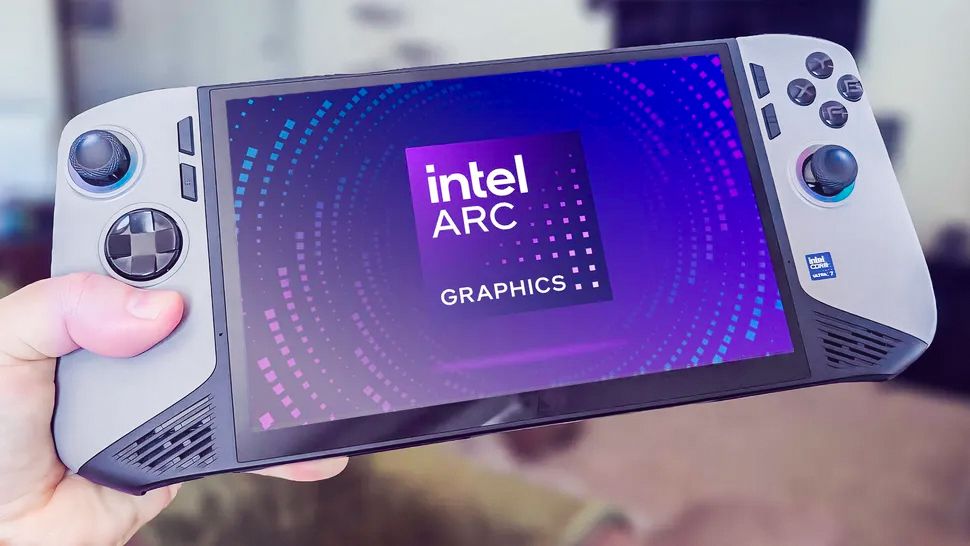 Image: windowscentral.com
This announcement comes amid growing interest in Windows-based handhelds, positioning Intel as a direct competitor to AMD's Ryzen processors that power devices like the Steam Deck and ASUS ROG Ally. Industry analysts note that Intel's entry could diversify options and drive innovation in the category.
Specs and Technical Highlights
The Arc G3 Extreme features a fully enabled Arc B390 integrated GPU with 12 Xe cores, while the standard Arc G3 uses the Arc B370 with 10 Xe cores. Both deliver leadership performance in graphics, including hardware-accelerated ray tracing and AI-enhanced upscaling through XeSS 3 for higher frame rates at demanding settings.
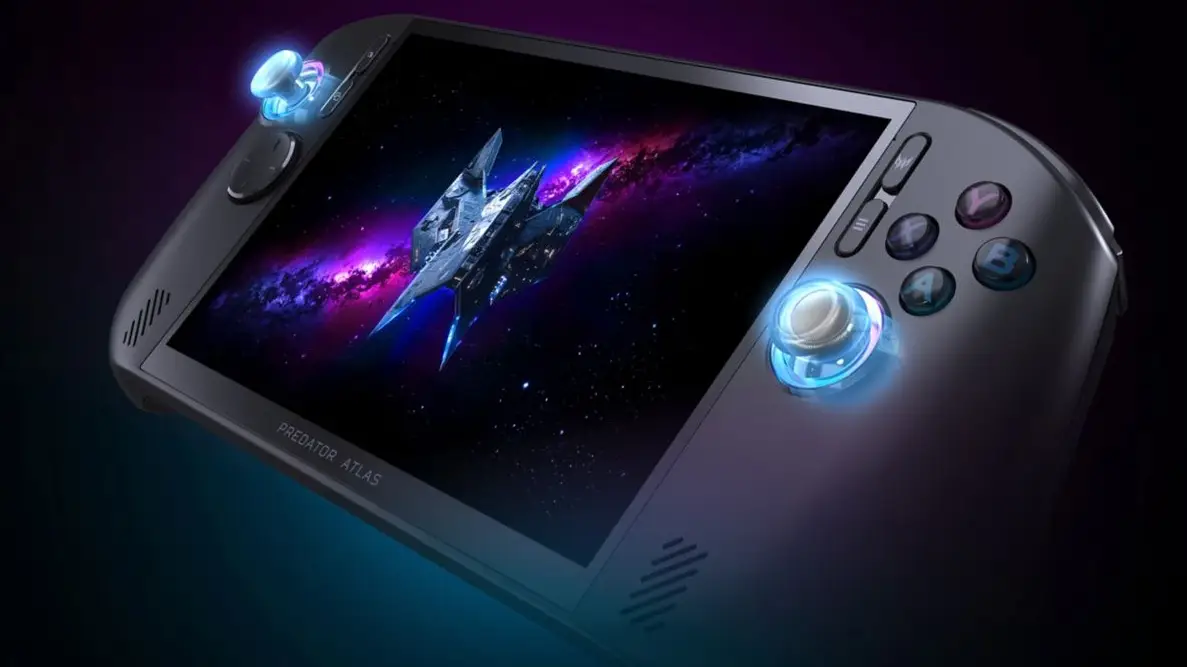 Image: xda-developers.com
On the CPU side, configurations include up to 14 cores (a mix of performance, efficiency, and low-power efficiency cores), with clock speeds reaching up to 4.7 GHz on the Extreme variant. Connectivity perks include Wi-Fi 7, Bluetooth 6, and Thunderbolt 4 support. Power efficiency is a standout, with optimizations aimed at longer unplugged sessions—crucial for handheld gaming.
Intel emphasizes broad compatibility and console-like immediacy, with Day-0 driver support ensuring seamless integration with popular titles.
Partner Devices and Availability
Handhelds powered by these processors will begin shipping from OEM partners starting in June 2026, with wider availability throughout the year. Confirmed early adopters include Acer's Predator Atlas 8 (featuring the G3 Extreme, an 80Wh battery, and 120Hz variable refresh rate display), MSI's Claw 8 EX AI+, and a new model from OneXPlayer.
These devices highlight the processors' strengths in premium portable gaming, combining high-performance silicon with thoughtful hardware designs for immersive play on the go.
Market Impact and Practical Insights
The Arc G-Series represents Intel's commitment to the handheld segment after years of ecosystem work. For gamers, this means more choices beyond AMD-dominated options, potentially leading to competitive pricing and feature-rich devices.
Practical tips: When evaluating these handhelds, prioritize models with larger batteries (like the 80Wh in the Predator Atlas 8) for extended sessions. Leverage XeSS 3 in supported games for performance boosts without sacrificing visual quality. Ensure your device runs the latest Intel drivers for optimal compatibility, and consider accessories like portable chargers or docks to maximize versatility. Battery life claims suggest strong endurance, but real-world testing will be key once reviews emerge.
Looking Ahead: A New Era for Portable Gaming
With the Arc G-Series, Intel isn't just entering the market—it's aiming to set a new standard for efficiency and performance in handheld PC gaming. As devices roll out this summer, expect hands-on benchmarks and comparisons that will shape the competitive landscape. Gamers stand to benefit from increased innovation, better Windows integration, and cutting-edge graphics tech in truly portable packages.