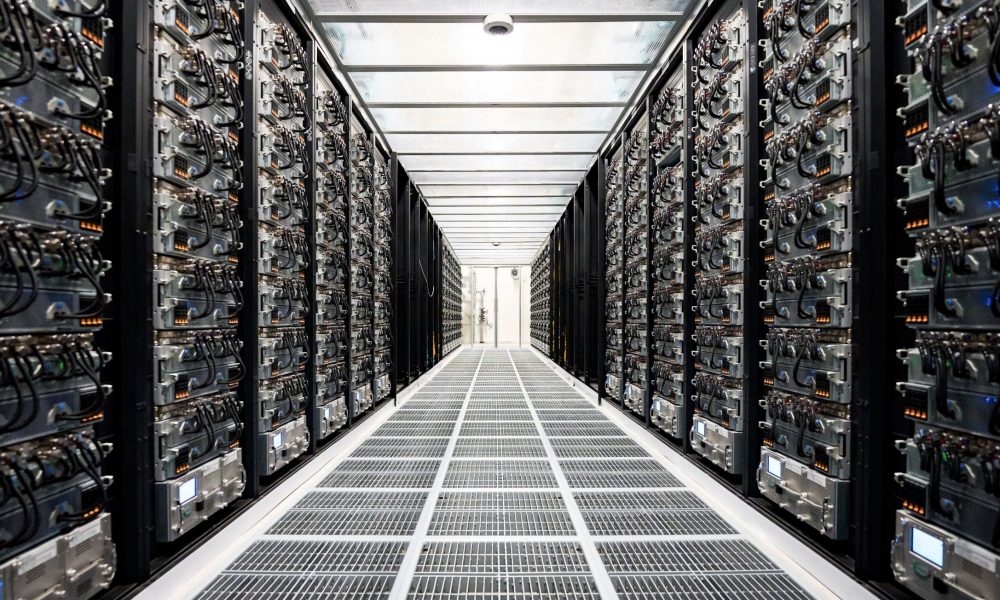
 Image: teslarati.com
In a move that's sending shockwaves through the tech and semiconductor worlds, Tesla CEO Elon Musk dropped a bombshell on X: the company's "Terafab Project launches in 7 days." With today's date of March 19, 2026, that puts the official kickoff just two days away on March 21. This isn't just another Gigafactory—it's a tera-scale chip fabrication behemoth designed to crank out billions of AI chips, powering everything from Full Self-Driving (FSD) to Optimus humanoid robots and the Dojo supercomputer. At an estimated $20 billion investment, Terafab represents Tesla's ultimate play for vertical integration in the AI race.
As a tech journalist covering the bleeding edge of artificial intelligence and machine learning, I've been tracking Tesla's chip journey from the D1 Dojo tile to the AI4 inference hardware. But Terafab? This is Elon-level ambition cranked to 11. It promises to free Tesla from the clutches of foundries like TSMC and Samsung, ensuring the chip deluge needed for millions of autonomous vehicles and robotaxis. Let's dive into the details of this game-changer.
What is the Terafab Project?
Terafab—short for 'tera-fab,' evoking the scale of a Gigafactory but for semiconductors—is Tesla's in-house chip manufacturing facility. First floated by Musk during Tesla's 2025 shareholder meeting, the idea gained traction in January 2026 earnings calls where he warned of looming supply constraints. "It's like giga but way bigger," Musk said then, emphasizing the need for a 'gigantic chip fab' to hit the volumes required for Tesla's AI roadmap.
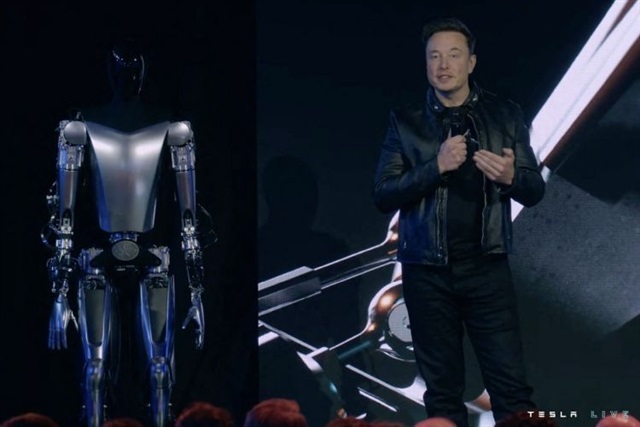 Image: digitimes.com
The project is eyed for Giga Texas's North Campus in Austin, where recent construction footage hints at rapid expansion completed in record time. Launching March 21 doesn't mean wafers spinning day one—it's the start of full operations, with plans for 10 modules each handling 100,000 chips per month. That's 100,000 wafer starts monthly, translating to 100-200 billion AI and memory chips annually. Mind-blowing scale for a company with zero prior fab experience.
- Investment: $20-25 billion, mostly on cutting-edge equipment.
- Timeline: Phase 1 launch March 21, 2026; ramp-up over years.
- Focus: Logic processing, high-bandwidth memory (HBM), and advanced packaging—all under one roof.
AI5 Chip: The Crown Jewel of Terafab
At the heart of Terafab is Tesla's next-gen AI hardware, the AI5 chip. Optimized for neural network inference in deep learning models powering FSD v13+ and Optimus, AI5 boasts 40-50x more compute performance and 9x the memory bandwidth of the current AI4. Built on 2nm process tech—one of the most advanced nodes commercially available—it's designed for ultra-efficient edge AI in vehicles and robots.
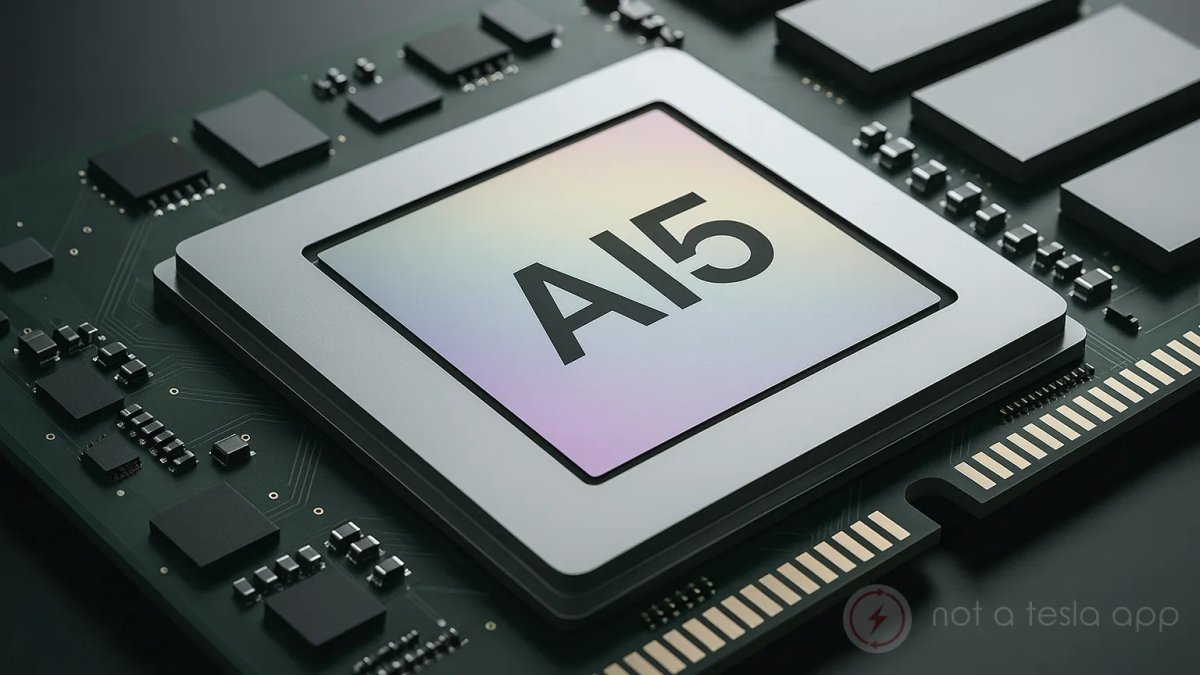 Image: notateslaapp.com
AI5 sampling starts later 2026, with volume production mid-2027. Early Terafab output will bridge the gap while TSMC handles initial waves and Samsung ramps AI6 under a $16.5B deal. Specs leaked earlier peg AI5 at 2000-2500 TOPS (trillion operations per second), roughly 5-10x AI4's power, at a fraction of Nvidia's inference costs—up to 10x cheaper per inference run.
For machine learning pros, this means Terafab chips are tailored for video-based training data in Dojo (Tesla's exascale supercluster for autonomy ML) and real-time inference in neural nets handling 360-degree vision, path prediction, and multi-agent simulation. Practical tip: If you're training vision transformers or diffusion models for robotics, watch Tesla's open-sourcing of FSD stack—Terafab could flood the ecosystem with affordable, high-perf silicon.
Why Tesla Needs Terafab: Securing the AI Supply Chain
Tesla's AI hunger is insatiable. Millions of HW5-equipped vehicles, Cybercab robotaxi fleets launching April 2026, and Optimus production scaling to thousands by year-end demand chips external suppliers can't match. TSMC, Samsung, and Micron are maxed out; Musk noted even 'best-case' scenarios fall short in 3-4 years.
Vertical integration here means control: custom designs for low-power, high-density neural accelerators that outperform off-the-shelf GPUs in Tesla workloads. Dojo's evolution ties in too—Terafab chips will fuel exaFLOP-scale training for ever-larger LLMs fine-tuned on driving data. Insights for enterprises: Emulate Tesla by prioritizing supply-secure custom silicon for proprietary ML models; partner with fabs early or risk bottlenecks like the 2021 chip shortage.
Challenges, Skepticism, and Market Ripples
Not everyone's cheering. Critics point to Tesla's fab novice status—jumping to world's largest 2nm plant is 'impossible,' per some analysts, ignoring decades of ecosystem TSMC built. Yields, IP licensing, talent poaching from Intel/Samsung? Massive hurdles. Yet Tesla's track record—building the world's biggest casting machine or Cortex supercluster—suggests they thrive on moonshots.
Markets reacted: TSLA stock jumped post-announcement, with Barron's calling Terafab a potential catalyst amid EV slowdowns. Tip for investors: Track Giga Texas drone footage and Q1 earnings for ramp updates; a successful Terafab could value Tesla as an AI powerhouse, not just automaker.
Implications for AI, ML, and the Future
Terafab reframes Tesla as an AI semiconductor titan. For deep learning practitioners, it democratizes access to inference-optimized hardware, potentially spilling into open-source Dojo tools. Broader: U.S. manufacturing resurgence, challenging Asia's fab dominance, and accelerating AGI timelines via cheap, abundant compute for neural nets.
Practical tips:
- Developers: Benchmark against AI5-like specs for edge ML; focus on quantization for 2nm efficiency.
- Enterprises: Audit chip dependencies now—Terafab proves in-house fabs pay off for scale AI.
- Researchers: Tesla's video-to-action models could evolve with Terafab FLOPs; collaborate via xAI ties.
In conclusion, as Terafab spins up, Tesla isn't just building cars—it's forging the silicon backbone of tomorrow's intelligent world. Whether it hits 200B chips/year or stumbles, this launch cements 2026 as the year AI hardware went tera-scale. Stay tuned; the inference revolution starts now.