 Image: astronomy.com
Picture this: the Florida coast lit up by the fiery glow of a Falcon 9 rocket piercing the pre-dawn sky. On March 10, 2026, at 12:19 a.m. ET, SpaceX delivered another textbook launch, deploying the massive EchoStar XXV satellite into geosynchronous transfer orbit (GTO). This mission isn't just another ride to space—it's a lifeline for Dish Network, breathing new life into its satellite TV fleet after a 16-year hiatus from new launches.
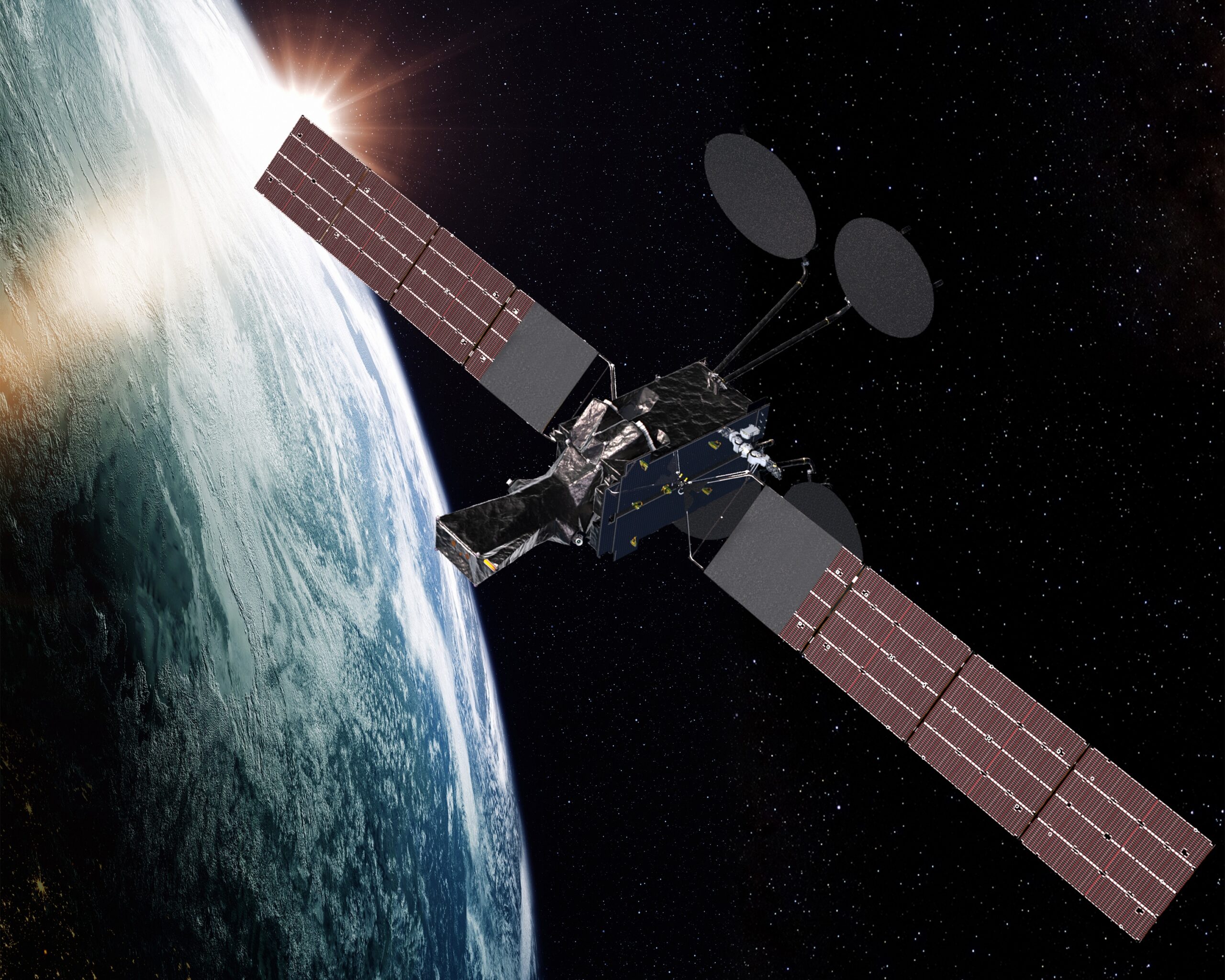
As we hit March 12, 2026, just two days post-liftoff, confirmation of deployment has SpaceX fans and Dish subscribers buzzing. Built by Maxar Technologies (now under Lanteris Space Systems), EchoStar XXV weighs in at around 15,000 pounds (6,800 kg) and spans the size of a motorhome once its solar arrays unfurl to over 100 feet. It's headed to the 110° West geostationary slot, where it'll beam high-definition TV signals across the U.S., Puerto Rico, and North America.
The Launch: Precision Engineering Meets Midnight Spectacle
From Space Launch Complex 40 (SLC-40) at Cape Canaveral Space Force Station, the Falcon 9—booster B1085 on its remarkable 14th flight—climbed skyward with clockwork precision. The 149-minute window opened at 11:14 p.m. ET on March 9, but liftoff came right on cue at 12:19 a.m. Here's how it unfolded:
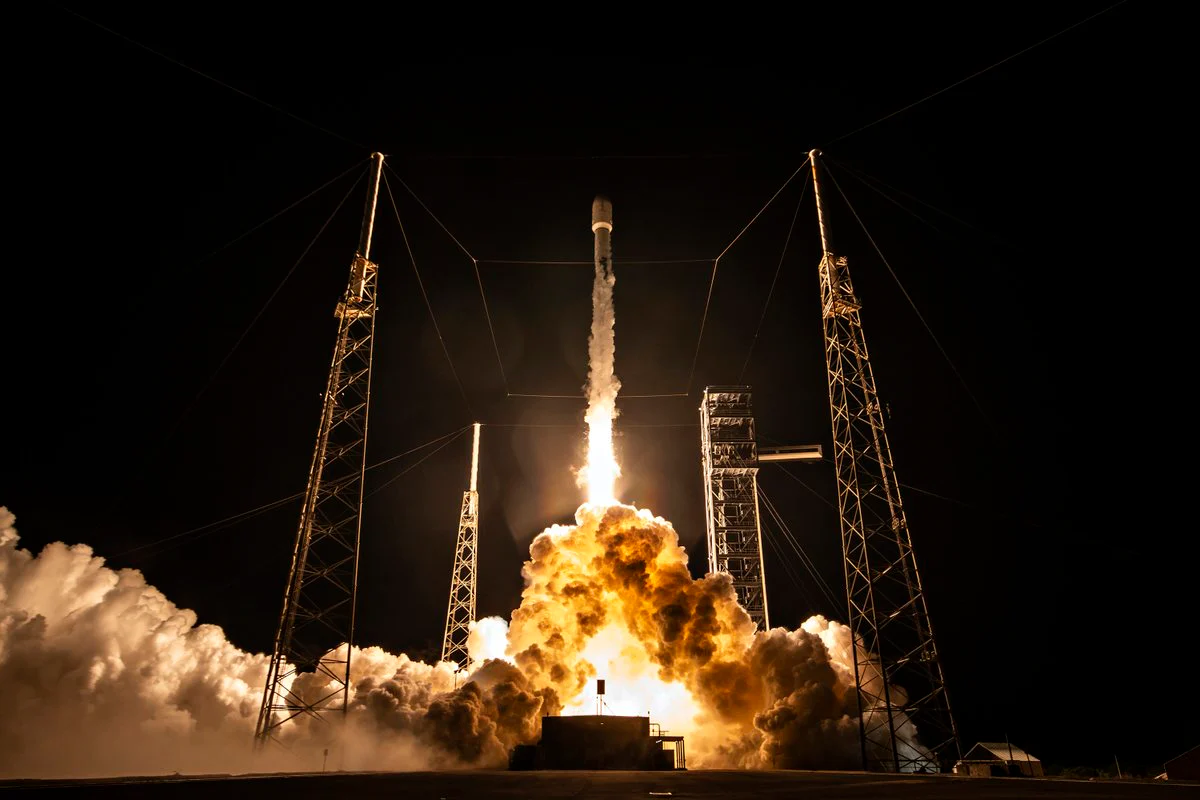 Image: basenor.com
- T+00:02:28: Main Engine Cutoff (MECO) for first stage.
- T+00:02:31: Stage separation.
- T+00:08:40: Booster landing on the 'A Shortfall of Gravitas' droneship in the Atlantic.
- T+00:34:53: EchoStar XXV deployment from the second stage.
This was SpaceX's 30th orbital mission of 2026 alone, with 24 dedicated to Starlink expansion. The booster, fresh off missions like Crew-9 and Starlink groups, nailed its ocean platform touchdown, underscoring reusable rocketry's maturation.
EchoStar XXV Unpacked: Cutting-Edge Tech for Crystal-Clear TV
At its core, EchoStar XXV rides on the battle-tested SSL-1300 platform from Maxar/Lanteris, designed for 15 years of reliable service. This beast packs a high-power Ku-band payload with multiple steerable spot beams, enabling frequency reuse and targeted capacity boosts where viewers need it most—think dense urban spots or underserved rural expanses.
Key specs include:
- Frequencies: 12.2-12.7 GHz (downlink), 17.3-17.8 GHz (uplink).
- Coverage: North America via direct-to-home (DTH) with small dish antennas.
- Power: Dual solar arrays for sustained high-throughput broadcasting.
- Mass: 6,800 kg at launch, optimized for GEO maneuvers post-deployment.
Now cruising toward geostationary orbit (GEO) at 22,236 miles up, the satellite will undergo checkouts before firing up its transponders. For tech enthusiasts, this multi-beam setup means smarter spectrum use, potentially packing hundreds of HD channels without the pixelation woes of yesteryear.
Real-World Impact: Boosting Dish's 7 Million Subscribers
Dish Network, EchoStar's pay-TV arm, boasts about 7 million subscribers as of early 2026. This launch ends a drought since 2010, countering cord-cutting trends and cable giants. Rural folks, where fiber lags, will especially benefit—satellite TV remains a plug-and-play savior for reliable entertainment.
Practical tips for Dish users:
- Check alignment: Post-activation (expected weeks), realign your dish for optimal signal using Dish's app or pro install.
- Upgrade-ready: New beams could unlock 4K/8K channels; ensure your receiver supports it.
- Reliability boost: Steerable tech targets weather hotspots, minimizing outages—pair with a backup generator for storms.
- Future-proof: Watch for bundle deals tying TV with Dish's wireless services.
Industry watchers see this as EchoStar doubling down on TV amid streaming wars, blending traditional broadcast with 5G synergies.
SpaceX's 2026 Surge and EchoStar's Horizon
SpaceX's pace is blistering—30 launches by March!—fueled by Starlink but open to commercial payloads like this. EchoStar isn't stopping: XXVI is in works for 2028 launch, signaling sustained investment.
In conclusion, EchoStar XXV's flawless debut heralds resilient space tech's role in everyday connectivity. As it settles into GEO, millions of screens will light up brighter, proving satellites still rule the airwaves. Stay tuned—literally—for the on-air debut that could redefine your next binge-watch.