 Image: space.com
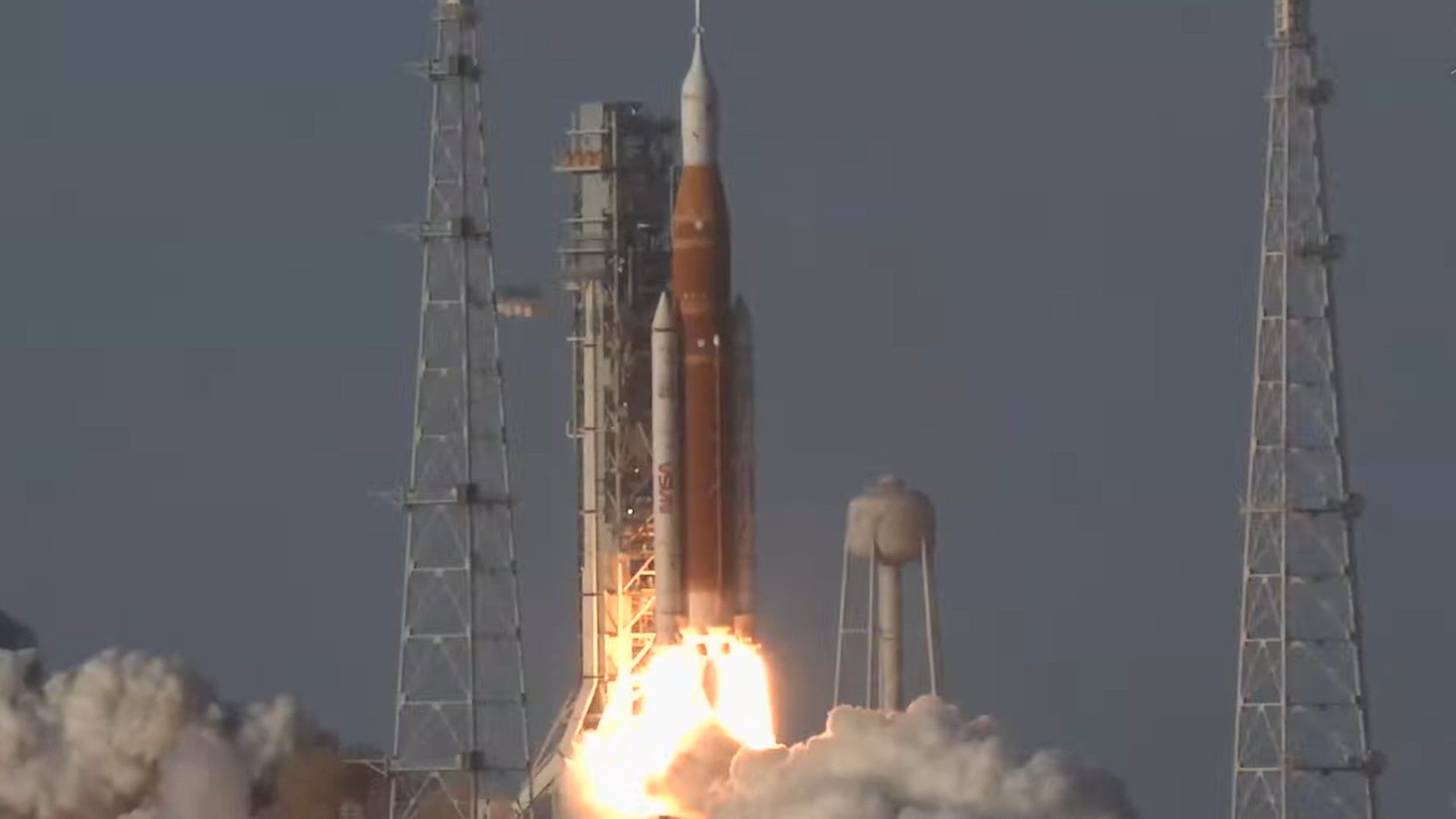
On April 1, 2026, the roar of the most powerful rocket NASA has ever launched echoed across Florida's Kennedy Space Center as NASA's Artemis II mission lifted off into the history books. At approximately 6:35 p.m. ET, the Space Launch System (SLS) rocket propelled the Orion spacecraft carrying four astronauts on a 10-day journey that will take them farther from Earth than any humans have traveled in more than five decades. This mission represents the first crewed flight of NASA's Artemis program, setting the stage for future lunar landings and eventual Mars missions.
The launch comes after years of development, testing, and delays. Following the successful uncrewed Artemis I test flight in 2022, Artemis II puts humans back in the loop, testing the Orion spacecraft's life support systems, navigation capabilities, and reentry procedures in the harsh environment of deep space. As the rocket climbed through the atmosphere, mission control confirmed all systems were performing nominally, eliciting cheers from the control room and spectators alike.
The Historic Launch: A New Chapter in Space Exploration
The Artemis II launch marks a pivotal moment for NASA and international space partners. The SLS rocket, standing taller than the Statue of Liberty, generated 8.8 million pounds of thrust at liftoff, carrying the Orion capsule and its crew toward an initial Earth orbit before beginning their translunar injection burn. This mission is not just about reaching the Moon—it's about proving that humanity can sustainably explore beyond our planet.
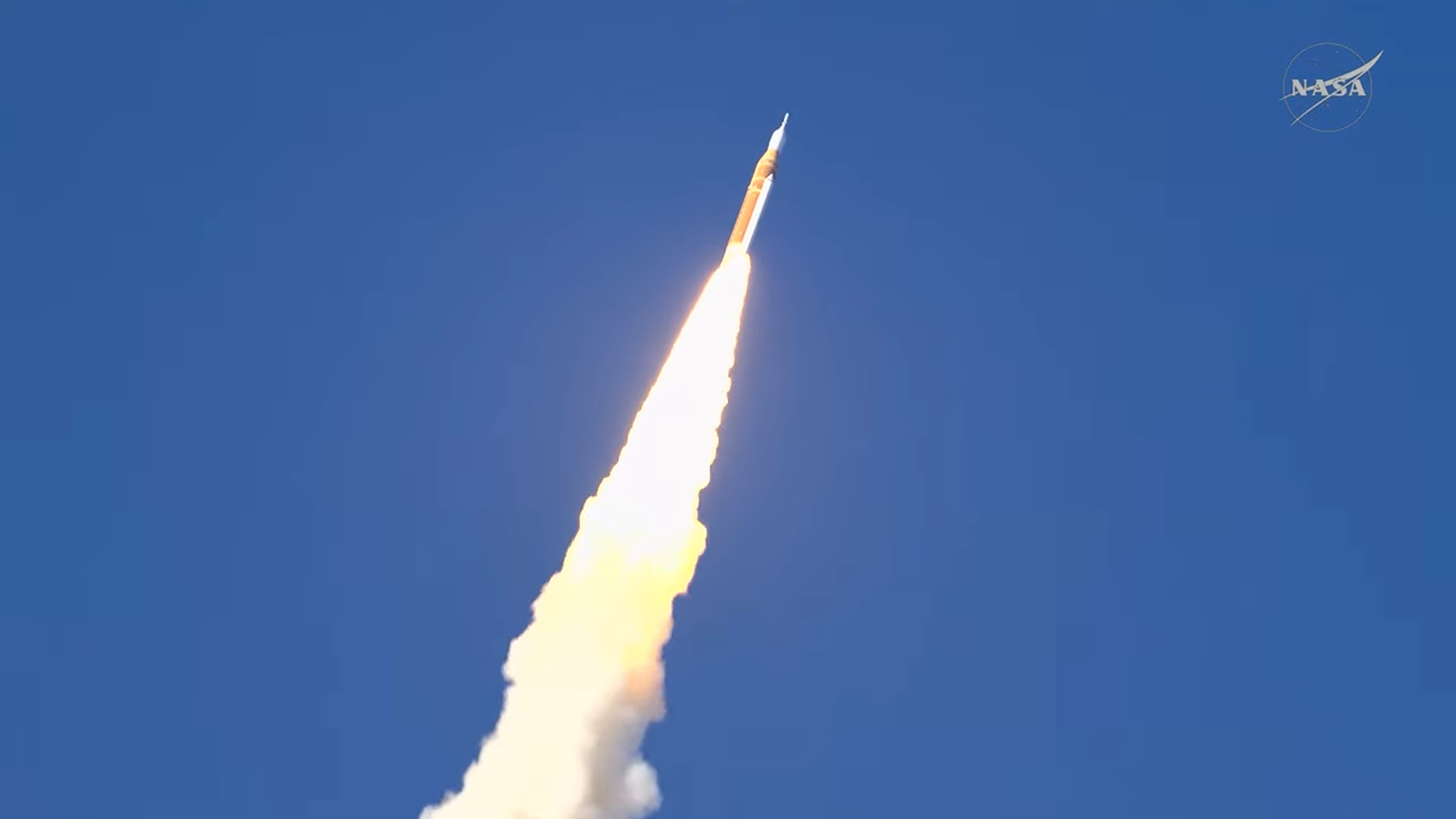 Image: livescience.com
Weather conditions were favorable despite typical Florida spring concerns, allowing the two-hour launch window to proceed without issue. Live broadcasts showed the bright flame of the solid rocket boosters as they separated minutes into the flight, with the core stage continuing to push the spacecraft higher. NASA officials described the launch as "flawless" in initial post-lift off briefings.
Unlike the Apollo missions of the 1960s and 70s, Artemis II emphasizes international collaboration and long-term lunar presence. The program aims to establish a sustainable human presence on the Moon, including the Lunar Gateway station and eventual surface bases.
Meet the Artemis II Crew
Commanding the mission is NASA astronaut Reid Wiseman, a veteran with previous experience on the International Space Station. Serving as pilot is Victor Glover, who previously flew aboard SpaceX's Crew Dragon for a long-duration ISS mission. Mission specialists include Christina Koch, who holds the record for the longest single spaceflight by a woman, and Canadian Space Agency astronaut Jeremy Hansen, making history as the first Canadian to travel beyond low-Earth orbit.
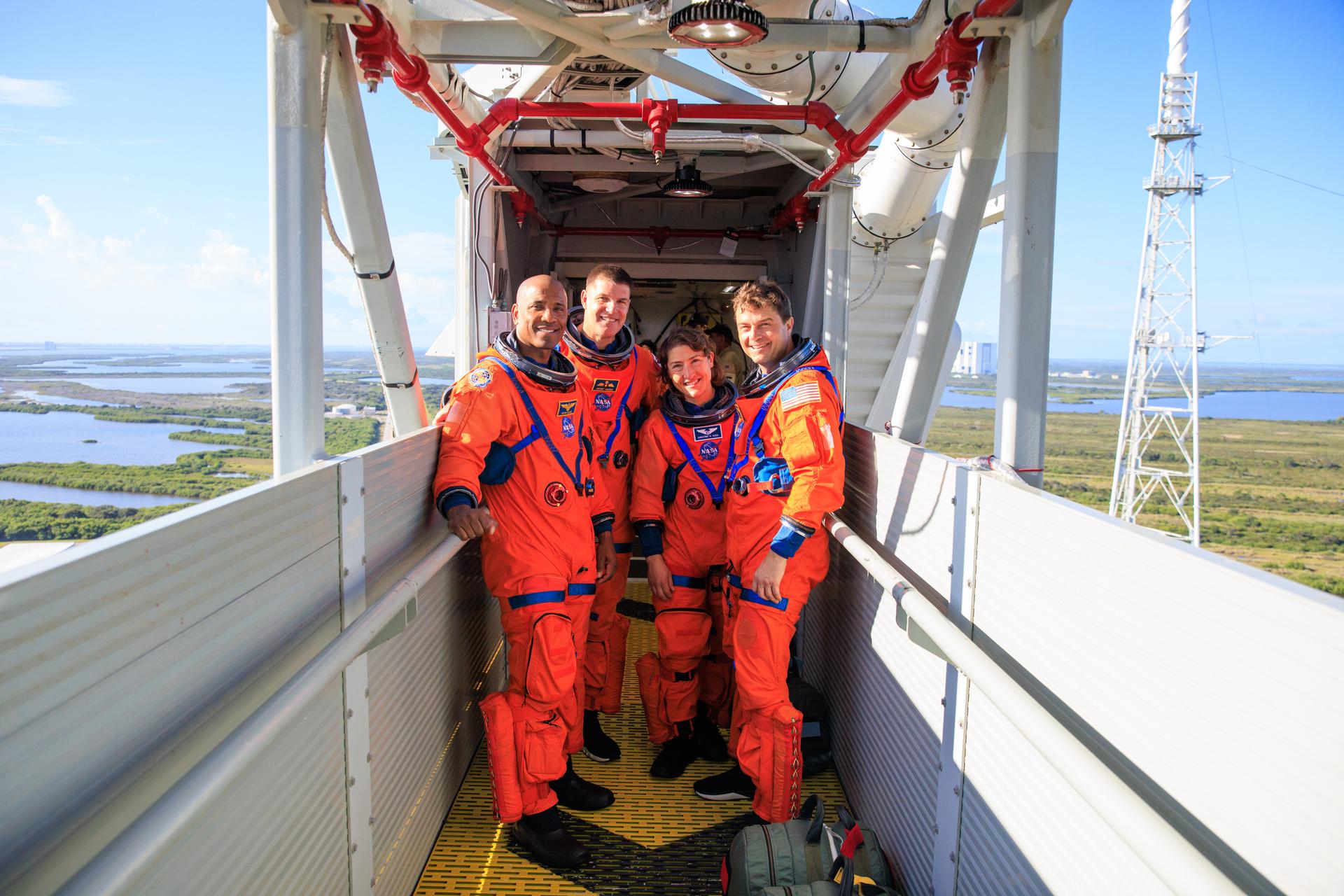 Image: nasa.gov
- Reid Wiseman (Commander): Bringing leadership and ISS experience to the flight.
- Victor Glover (Pilot): Expertise in spacecraft operations from his Crew-1 mission.
- Christina Koch (Mission Specialist): Record-breaking endurance in space.
- Jeremy Hansen (Mission Specialist): First Canadian on a lunar mission.
The crew has spent years training together, including simulations of the lunar flyby and emergency scenarios. Each astronaut carried personal mementos and items representing their home countries, continuing a tradition of humanizing spaceflight.
Mission Objectives and What to Expect
Over the next 10 days, the Artemis II crew will travel approximately 6,400 miles beyond the far side of the Moon before returning to Earth. Key objectives include testing Orion's deep space navigation systems, verifying the heat shield can withstand the high-speed reentry from lunar velocities, and evaluating crew life support systems over an extended period away from Earth's protection.
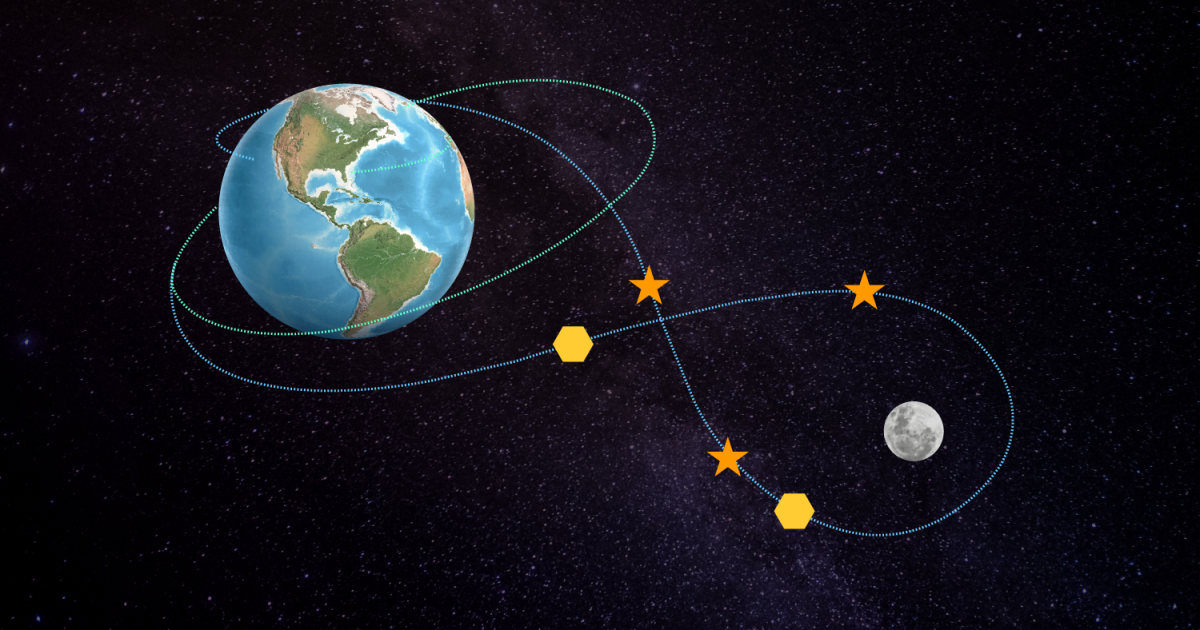 Image: aljazeera.com
The trajectory will include several engine burns to escape Earth's gravity and enter a distant retrograde orbit around the Moon. During the lunar flyby, the crew will have spectacular views of both the lunar surface and Earth from a unique vantage point. They will also conduct several technology demonstrations, including communications tests that will inform future missions.
After swinging around the Moon, the spacecraft will begin its return journey, reaching speeds of nearly 25,000 mph during reentry. The mission culminates with a splashdown in the Pacific Ocean, where recovery teams will be standing by.
Following launch, NASA will provide daily briefings on crew status and spacecraft performance. The mission builds directly on data gathered from Artemis I, addressing issues identified during that uncrewed test.
The Technology Powering Artemis II
At the heart of the mission is the Orion spacecraft, designed specifically for deep space exploration. Unlike the Space Shuttle or Crew Dragon, which operate primarily in low-Earth orbit, Orion features enhanced radiation shielding, a more powerful life support system, and an advanced heat shield capable of surviving the fiery return from the Moon.
The SLS rocket itself is a marvel of modern engineering, incorporating technology from the Space Shuttle program while introducing new solid rocket boosters and a massive core stage powered by four RS-25 engines. This infrastructure will eventually support heavier payloads needed for lunar landing missions.
International partners have contributed significantly. The European Space Agency provided the service module that supplies power, propulsion, and thermal control for Orion. This collaboration underscores the global nature of modern space exploration.
Why Artemis II Matters: Path to the Moon and Mars
This mission is more than a symbolic return to the Moon. It serves as a critical test flight before Artemis III, which will attempt the first crewed lunar landing since 1972 using SpaceX's Starship lander. Success here will validate the entire architecture for sustained lunar exploration.
The Artemis program also focuses on diversity and inclusion, with plans to land the first woman and first person of color on the lunar surface in upcoming missions. It emphasizes science, including studies of lunar resources that could support long-term habitats.
From a broader perspective, Artemis represents humanity's push toward becoming a multi-planetary species. Technologies developed here will inform future Mars missions, including life support systems that can operate for months or years without resupply from Earth.
Public engagement has been tremendous, with millions expected to watch live streams and follow the mission's progress. Educational programs tied to Artemis are inspiring the next generation of scientists and engineers.
As the crew begins their journey, the world watches with anticipation. The successful launch of Artemis II isn't just a NASA achievement—it's a human achievement that reminds us of our capacity for exploration and discovery.
In the coming days, as updates arrive from deep space, we'll gain new insights into living and working beyond Earth's orbit. The data collected will shape space policy and technology for decades to come. For now, the four astronauts aboard Orion represent all of us as they venture into the unknown, continuing humanity's oldest quest: to explore the cosmos.