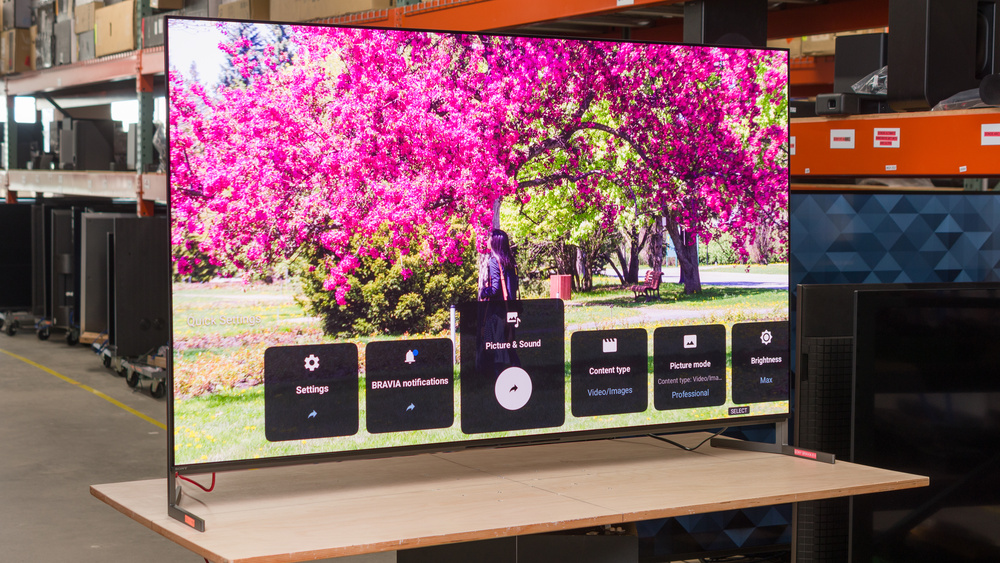
 Image: rtings.com
It's March 2026, and the Sony Bravia 8 II, Sony's 2025 QD-OLED flagship, is still turning heads in living rooms and home theaters. Launched last spring, this TV has racked up accolades like the 'King of TV' title at the 2025 Value Electronics Shootout, thanks to its stunning visuals and processing prowess. Available in 55-inch and 65-inch sizes starting around $2,700 for the larger model amid ongoing deals, it faces stiff competition from brighter 2026 models like the LG G5. But does it hold up? After diving into the latest reviews and long-term tests, here's our critical take.
Design and Build: Sleek but Limited
The Bravia 8 II sports Sony's signature slim bezels and a premium build with a milky anti-reflective coating that handles ambient light better than glossy rivals. Side-mounted feet allow space for a soundbar underneath, a smart touch for home theater setups. However, the stand options are finicky for console placement, often requiring a wall mount. At just over an inch thick, it's wall-hugger friendly, but only two HDMI 2.1 ports (out of four) limit multi-gaming rig connectivity—a con in 2026's ecosystem.
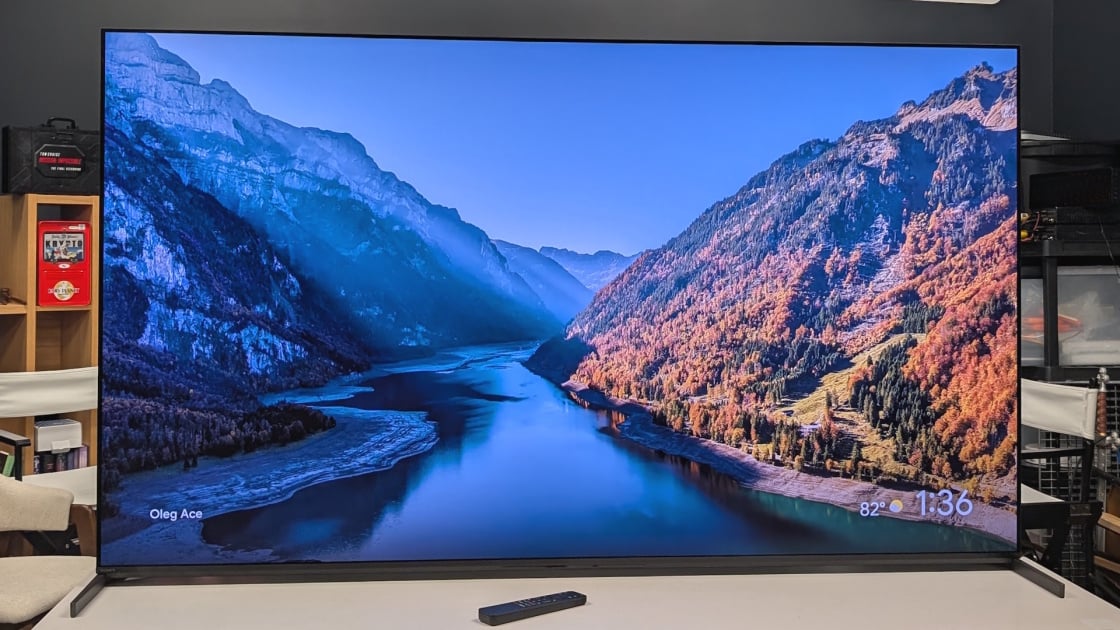 Image: pcmag.com
Practical tip: Pair it with Sony's Bravia Theater Quad wireless speakers for immersive audio expansion without cable clutter.
Picture Quality: Cinematic Mastery
This is where the Bravia 8 II shines brightest—pun intended. Powered by a third-gen QD-OLED panel and Sony's XR Processor with AI scene recognition, it delivers infinite blacks, vibrant colors covering wide BT.2020 gamut, and peak HDR brightness over 1,800 nits in small windows (full-screen around 240 nits). Reviewers rave about its shadow detail, upscaling of 1080p content to near-4K sharpness, and natural skin tones—perfect for films like Blade Runner 2049. In Professional mode, it's accurate out-of-the-box, with minimal calibration needed for reference performance.
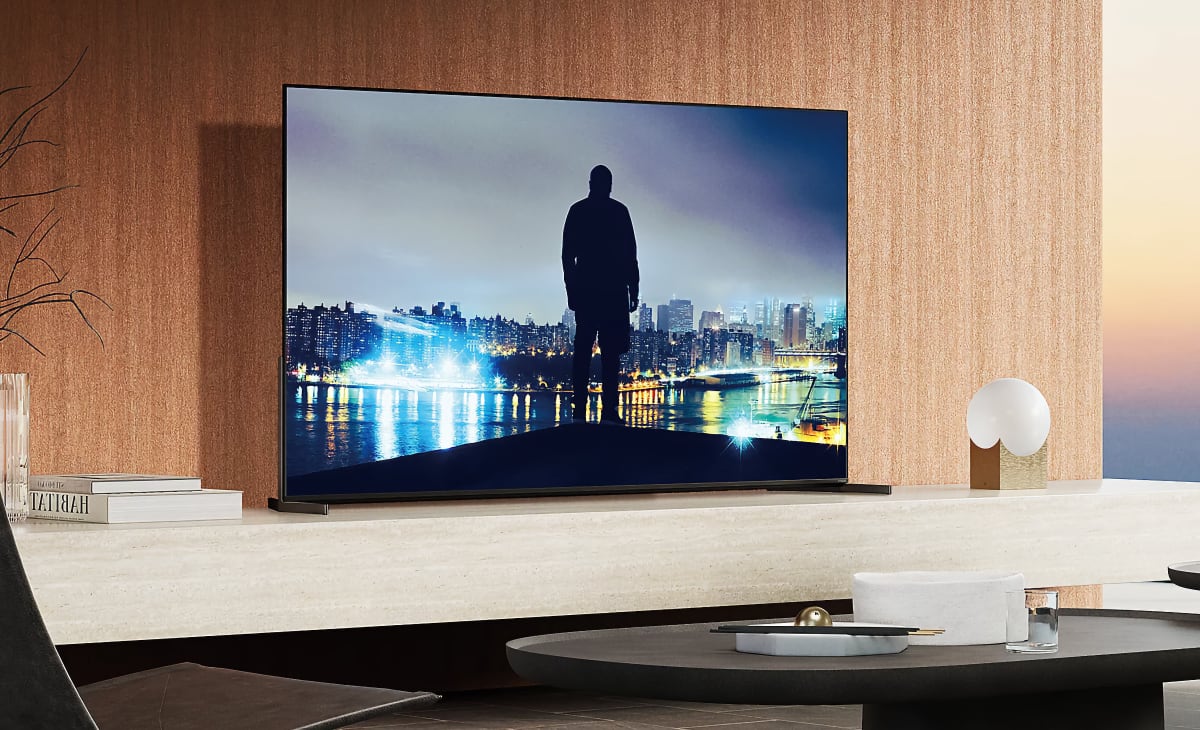 Image: flatpanelshd.com
- Pros: Exceptional motion handling (near-instant response time), excellent uniformity, top-tier reflection handling.
- Cons: Not as punchy in bright rooms as LG's G5 (higher nits), minor color fringing on edges visible to pixel-peepers.
Tip: Enable 'Cinema Black Pro' for deeper blacks in dark scenes and use the PS5 auto-HDR tone mapping for console movie nights.
Sound, Smart Features, and Gaming
Acoustic Surface Audio+ uses the screen as a speaker for precise sound placement, delivering solid dialog clarity and bass—better than average for TVs, but pair with a sub for theaters. Google TV remains zippy with hands-free Assistant, AirPlay, and Chromecast support. Recent 2026 firmware tweaks improved YouTube integration, addressing early gripes.
For gaming, 120Hz refresh, VRR, ALLM, and low 16ms input lag make it PS5-optimized, but no 144Hz or AMD FreeSync lags behind Samsung. Great for casual play, solid for competitive.
Tip: Assign HDMI 3/4 for next-gen consoles to maximize 4K/120Hz with Dolby Vision gaming.
Verdict: Elite Value for Enthusiasts
Pros outweigh cons for home theater fans: unmatched processing elevates any content, and at current prices (down $600), it offers flagship quality without 2026 premiums. However, brighter rooms or multi-PC gamers might prefer LG or Samsung. Overall, the Bravia 8 II's refined excellence earns its crown—still one of 2026's best OLEDs.