 Image: nasa.gov
It's hard not to feel a thrill when you think about it: four astronauts strapped into NASA's Orion spacecraft, rocketing towards the Moon on a path humans haven't flown since 1972. As of March 18, 2026, NASA is barreling towards that reality with Artemis II, the agency's pivotal crewed test flight around our lunar neighbor. After a series of nail-biting technical hurdles—including a dramatic rocket rollback and repairs to critical systems—the mission is locked in for a no-earlier-than April 1 liftoff from Kennedy Space Center's Launch Complex 39B. This isn't just a joyride; it's the crucial next step in NASA's Artemis program, proving that we can send humans deep into space and bring them home safely.
The Trailblazing Artemis II Crew
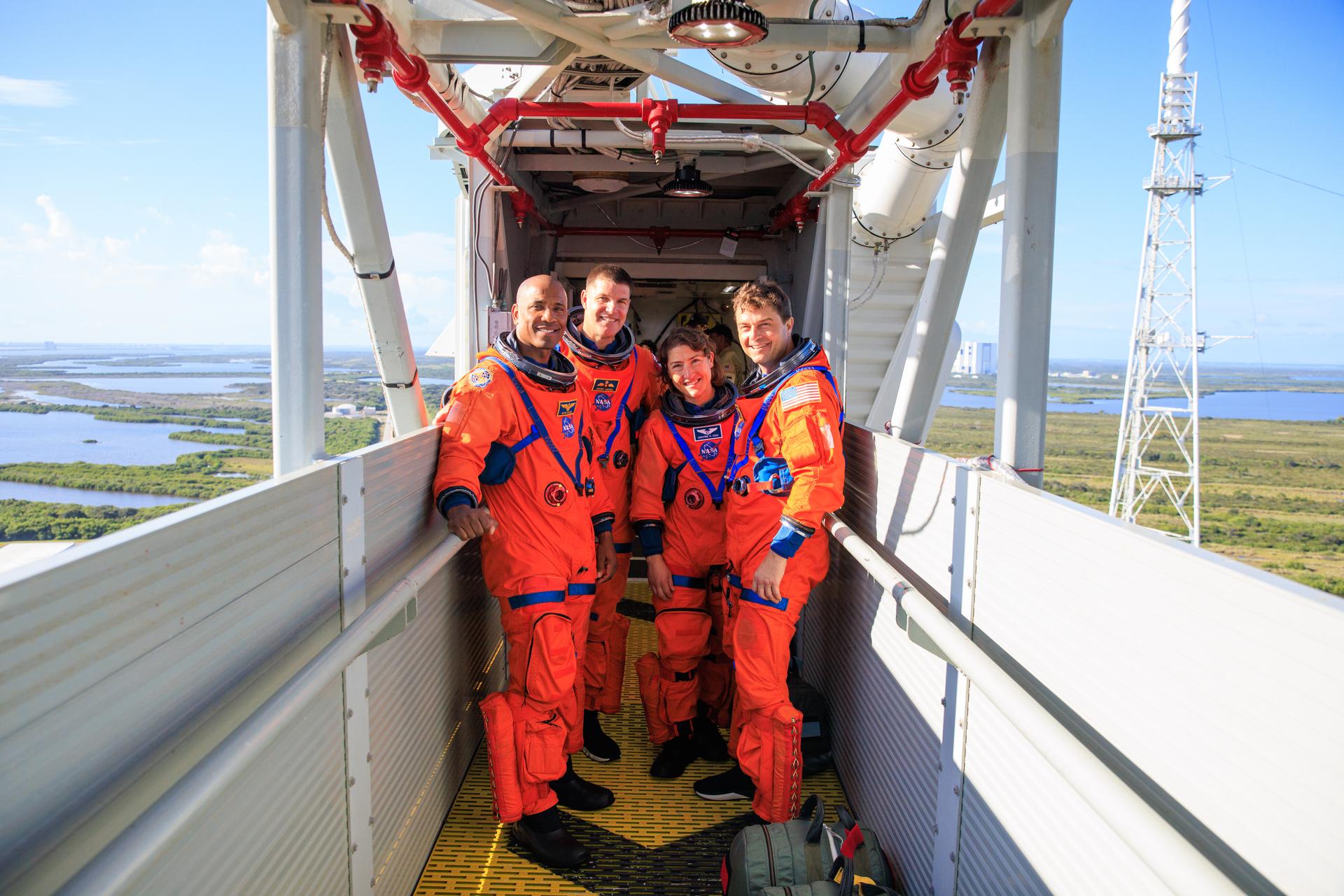
Leading the charge are four highly experienced astronauts ready to make history. Commander Reid Wiseman, a Navy test pilot on his second spaceflight, will helm the mission. At the controls as pilot is Victor Glover, NASA's first Black astronaut assigned to a long-duration mission and also on his second flight. Mission Specialist Christina Koch, famed for her record-breaking 328-day stay on the International Space Station, brings unmatched deep-space expertise. Rounding out the team is Jeremy Hansen from the Canadian Space Agency—the first non-American to fly on an Artemis mission—serving as the other mission specialist.
 Image: theia.global
These aren't rookies; their combined experience ensures they'll handle whatever the cosmos throws their way. Today, March 18, the crew enters quarantine at NASA's Johnson Space Center in Houston before heading to Kennedy on March 27 for final preparations. Backups include NASA's Andre Douglas and CSA's Jenni Gibbons, ready if needed.
From Setbacks to Success: Tackling Recent Challenges
No space mission worth its salt comes without drama, and Artemis II has had its share. The SLS (Space Launch System) rocket and Orion spacecraft rolled out to the pad in January 2026 for wet dress rehearsals—simulated countdowns with propellants loaded. But February brought headaches: cold weather delayed starts, a liquid hydrogen leak surfaced, and during the Feb. 21 rehearsal, helium failed to flow properly to the Interim Cryogenic Propulsion Stage (ICPS), the upper stage that will propel Orion towards the Moon.
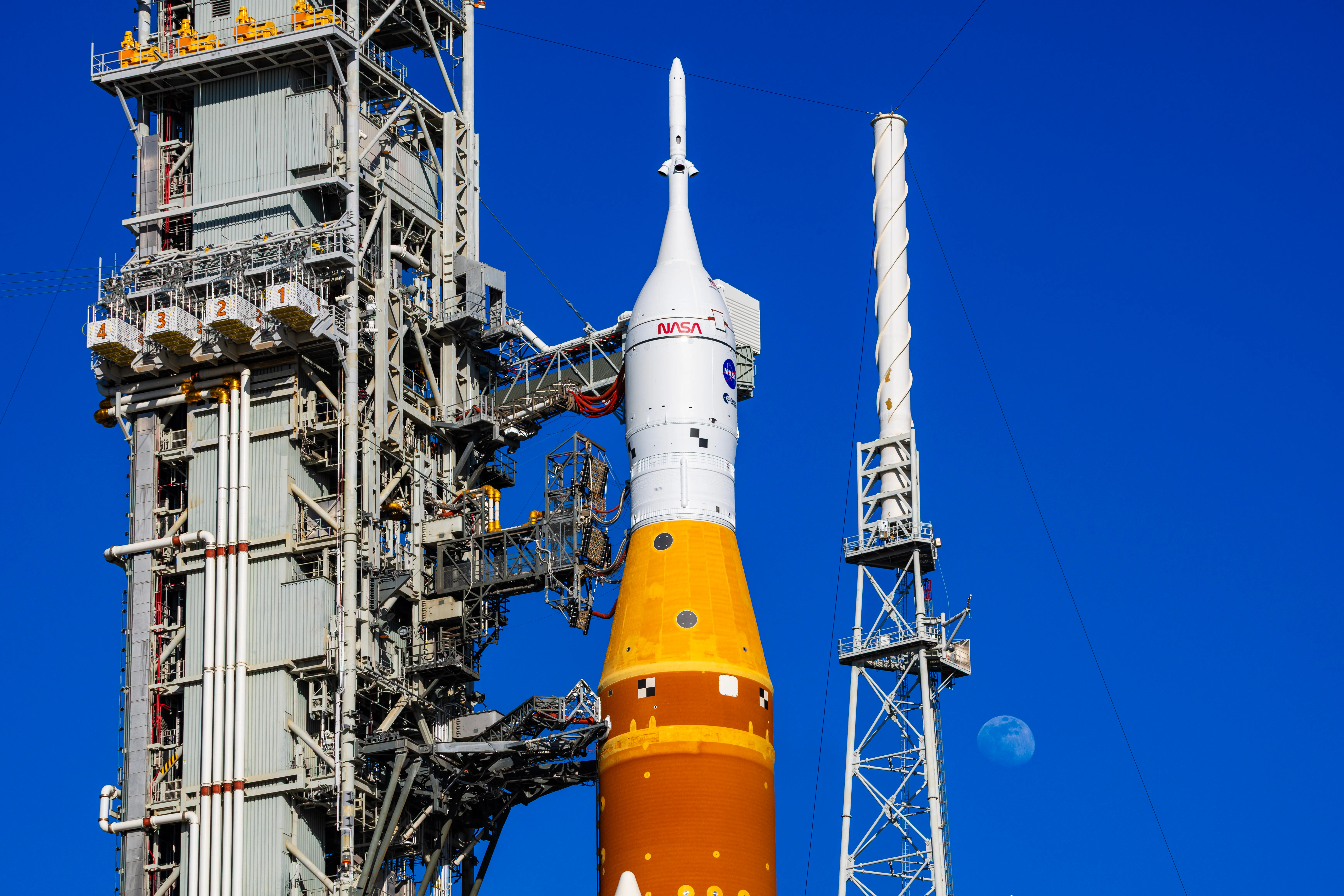 Image: nasa.gov
On Feb. 25, NASA rolled the massive stack back to the Vehicle Assembly Building (VAB) on the crawler-transporter—a 4-mile trek that scrapped March launch hopes. Technicians pinpointed a dislodged seal in a quick-disconnect fitting blocking the helium path. They replaced it, tested with reduced flow, and dove into root causes to prevent repeats. Other fixes included fresh batteries for the flight termination system, launch abort system, and various stages, plus a seal swap on the core stage's liquid oxygen line.
- Key Repairs: Helium seal replacement, battery refreshes, LOX line seal.
- No More Rehearsals: To save tank life, no additional wet dress tests planned.
- Next Move: Rollout to pad on March 19 for final countdown preps.
The Flight Readiness Review wrapped March 12 with NASA leaders like Moon-to-Mars Program Manager Lori Glaze confirming progress. 'Every time they fill the propellant tanks it takes life out of them,' Glaze noted, explaining the conservative approach. Now, with repairs done, April 1 at 6:24 p.m. EDT is prime time, with backups on April 2 and other April slots.
Mission Breakdown: A 10-Day Lunar Dance
Artemis II is a free-return trajectory flyby—no landing or orbit, just a slingshot around the Moon's far side at about 6,400 miles, then home. Launch on SLS Block 1 blasts Orion into Earth orbit for checkouts, followed by ICPS burn for trans-lunar injection. The crew will test life support, communications, propulsion, and the heat shield (tweaked post-Artemis I for steeper reentry).
Duration: 10 days, splashing down in the Pacific around April 10-11, recovered by the U.S. Navy. Objectives? Validate crewed deep-space ops, from radiation exposure to solar activity monitoring (sun's been feisty lately). Orion's ESM-2 service module and heat shield will face real-world scrutiny, building confidence for landings.
Artemis Program Shifts: Faster Pace to the Lunar Surface
Artemis II isn't happening in a vacuum. On Feb. 27, NASA announced program tweaks: standardizing SLS/Orion configs, adding a new 2027 mission (revised Artemis III) as a low-Earth orbit demo with SpaceX/Blue Origin lander docking, xEVA suits tests, and more. True lunar landing? Now Artemis IV in 2028, with yearly landings after. This ramps up cadence while minimizing risks—Artemis II stays on track amid the evolution.
Tips for Tracking Artemis II: Your Viewing Guide
Want in on the action? Here's how:
- Live Coverage: NASA TV, website, app—countdown starts days early. Mark April 1, 2 p.m. EDT for T-4 hours.
- Send Your Name: Still time? Chip in via NASA's site to fly with the crew.
- Real-Time Tracking: NASA's Artemis II tracker for trajectory, comms.
- Social: Follow #ArtemisII, #NASAMoonCrew. Watch crew intros on YouTube.
- Weather Watch: Florida spring—check forecasts; delays possible but teams are prepped.
Pro tip: Download the NASA app for alerts. This mission's data will shape Mars-bound tech, so it's worth every minute.
In conclusion, Artemis II stands as a testament to human ingenuity—turning setbacks into stepping stones. As the SLS roars to life, it'll echo Apollo's legacy while forging tomorrow's. With rollout imminent and crew quarantined, the Moon awaits. Stay tuned; history launches soon.