 Image: southshorepress.com
Cloud One was pitched as the Air Force's one-stop cloud shop. It now sits at the center of a reported security incident. On November 27, Reuters reported that hackers had breached the platform. The report landed during a holiday week and has security teams in government and the private sector paying close attention.
What Reuters reported
Hackers have breached the US Air Force's flagship cloud computing platform, three people familiar with the matter told Reuters, in a development that could jeopardize a vast swathe of sensitive tactical, personnel and logistics data. Two of the people said the intrusion was discovered within the past month or so during work to upgrade the system, and that the discovery has led to disruption across the platform.
 Image: defensenews.com
Details are thin. Reuters could not identify the specific vulnerability exploited by the hackers. Reuters also could not confirm who was behind the intrusion or whether hackers stole data. Other outlets have added a little context. Federal News Network, citing one source, reported that the Air Force and Cloud One contractors found the breach earlier this year while patching a vulnerability in the cloud-hosting environment. The accounts differ on timing, and there is no on-record confirmation.
The Air Force isn't saying much. In a statement to Reuters, it said it does not comment on the security posture, vulnerabilities or operational status of specific networks and systems. One source said investigators have called in Cyber Command, the US military's cyber force, to assess the damage.
Why Cloud One matters
Cloud One is not a niche project. Initiated in 2017, it was meant to serve as a one-stop shop for the Air Force's IT needs. It combines the resources of four operators (Microsoft, Amazon, Oracle and Alphabet) to power scores of applications, including ones that manage personnel data, pay, logistics and maintenance. According to two of the sources, it is among the US military's biggest cloud platforms.
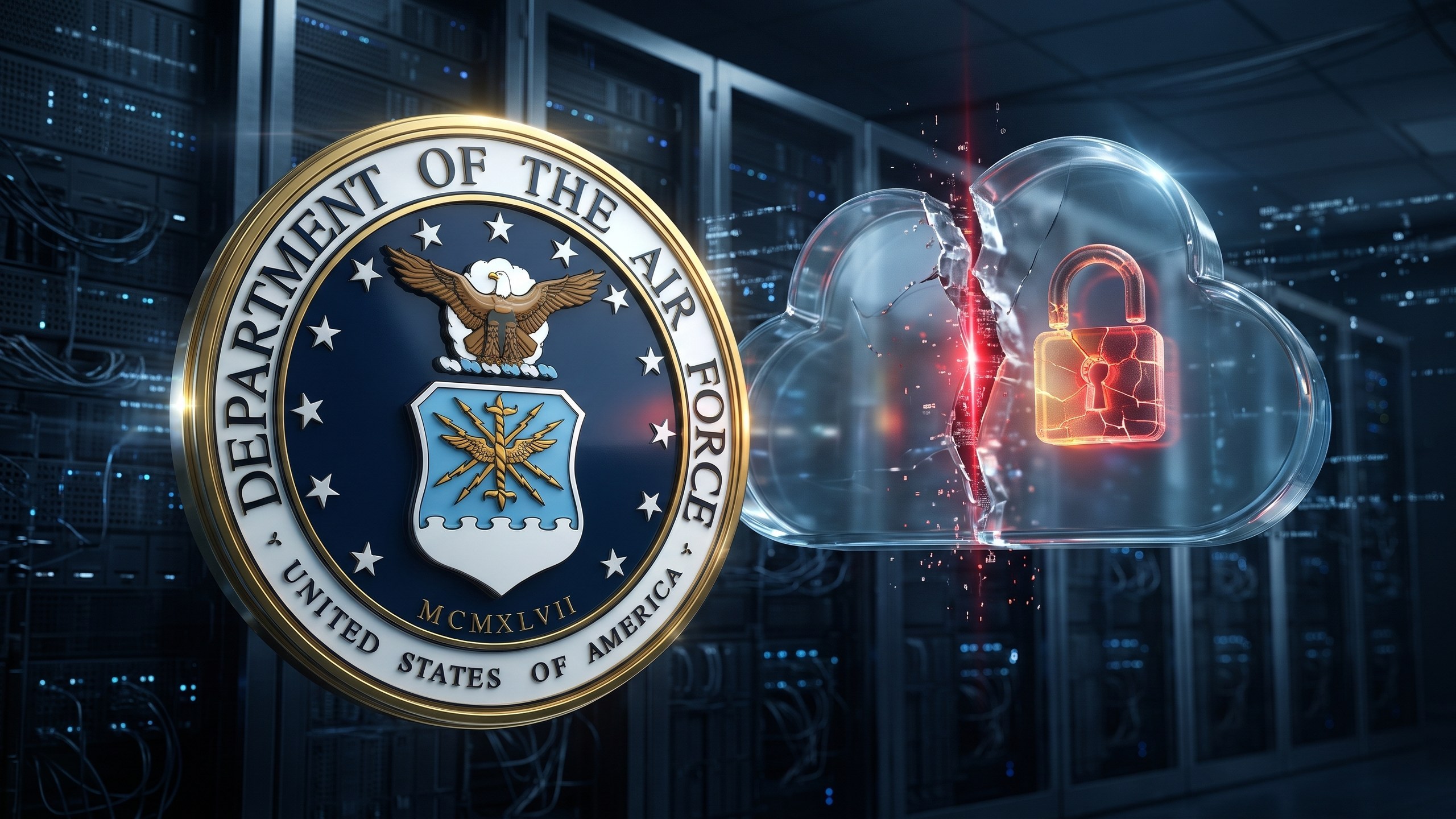 Image: news.sulat.com
Some of the workloads it hosts are highly sensitive. They include Cloud-Based Command and Control, which collates air defense radar and other data feeds from across North America. They also include the Theater Integrated Combat Munitions System, which tracks bombs and missiles across more than 200 US Air Force locations around the world. The contractor side has also changed recently. SAIC was the prime contractor until 2025, when Leidos took over. Leidos referred questions to the Air Force.
For cloud architects, this is the classic multicloud aggregation story. A shared control plane and common onboarding across several hyperscalers simplify operations. They also create a high-value target if the management layer is compromised.
The operational fallout
The disruption may be as consequential as the intrusion itself. According to Reuters, the hack prevented the Air Force from updating some applications running on Cloud One, revoked some users' administrative rights and paused migration of some other applications to the platform. The update block left Air Force personnel unable to apply fixes just as a new batch of serious software vulnerabilities was disclosed across the technology industry. Sources said a long-planned effort to shift back-office applications onto Cloud One has been put on hold.
This is a familiar incident-response trade-off. Freezing deployments and pulling admin privileges contains the attacker. It also leaves known vulnerabilities unpatched for longer, which is a risk of its own.
A worsening threat backdrop
Cloud One has been a target for years. In a 2023 commentary in FedScoop, its leadership touted a "100% success rate" in beating back a "staggering" number of attempts to penetrate the platform. That record now looks different.
The timing also stands out. The news comes amid heightened anxiety over AI-powered intrusions. These are a particular problem for cloud-based networks because AI models can swiftly detect weaknesses across wide surface areas. The breach also isn't isolated. It follows at least six other recently disclosed cyber incidents affecting the federal government, including two at the FBI, a breach involving at least two intelligence agencies, and a hack at the Treasury Department.
Practical takeaways for cloud teams
You may not run air defense workloads, but the pattern applies to any large multicloud estate. Here are some steps to consider:
- Treat the platform layer as crown jewels. Landing zones, identity federation, CI/CD pipelines and management tooling deserve stricter controls than the workloads they serve.
- Harden the upgrade path. Reuters says this intrusion surfaced during an upgrade. Review change-management access, break-glass accounts and temporary elevated privileges during migrations.
- Plan for patching under lockdown. Define in advance how you will ship critical fixes if normal deployment channels must be frozen, for example through isolated, pre-approved pipelines.
- Limit admin blast radius. Use least privilege, short-lived credentials and per-tenant separation so one compromised admin role cannot reach every application.
- Audit third-party and contractor access. A change of prime contractor, like the 2025 handover to Leidos, is a good moment to re-verify credentials, service accounts and inherited trust relationships.
- Assume machine-speed reconnaissance. Continuously scan your own attack surface, and shorten the time between vulnerability disclosure and remediation.
- Rehearse the pause. Know which migrations you would halt and which dependencies would break if you had to freeze a platform for weeks.
What to watch next
Several questions remain open. Officials have not said who is responsible, what data was accessed or how long the intruders had access. Nor have they said how far Cyber Command's damage assessment has progressed. Nothing has been confirmed on the record, and one summary of the coverage described it as four accounts of one breach with no on-record confirmation. Treat the details as provisional until the Air Force or Pentagon says more.
The breach is a test of the government's multicloud strategy. The one-stop-shop model brings efficiency and consistency, but it also concentrates risk. The practical lesson for enterprises is to invest as heavily in securing the platform that runs your cloud as in the applications on top of it, and to be ready to patch quickly when something goes wrong.