 Image: cnbc.com
As humanity pushes further into the final frontier, the need for intelligent computing beyond Earth's atmosphere has never been greater. On March 16, 2026, Nvidia made a giant leap at its annual GTC conference by announcing the Space-1 Vera Rubin Module, a specialized AI accelerator designed to bring powerful machine learning capabilities to space-constrained environments. This announcement represents a pivotal moment in the convergence of artificial intelligence and space technology, promising to transform satellites into smart, autonomous systems and enable orbital data centers that process information where it's generated.
The timing couldn't be more relevant. With satellite constellations multiplying and missions growing increasingly complex, the bottleneck of beaming massive datasets back to Earth for processing is becoming unsustainable. Nvidia's new module addresses this head-on by delivering data-center-class AI performance in a form factor suitable for orbit, powered largely by solar energy. This development builds on the company's broader Vera Rubin AI platform unveiled earlier in 2026, adapting its cutting-edge Rubin GPU technology for the unique challenges of space.
Nvidia's Vision for Space Computing at GTC 2026
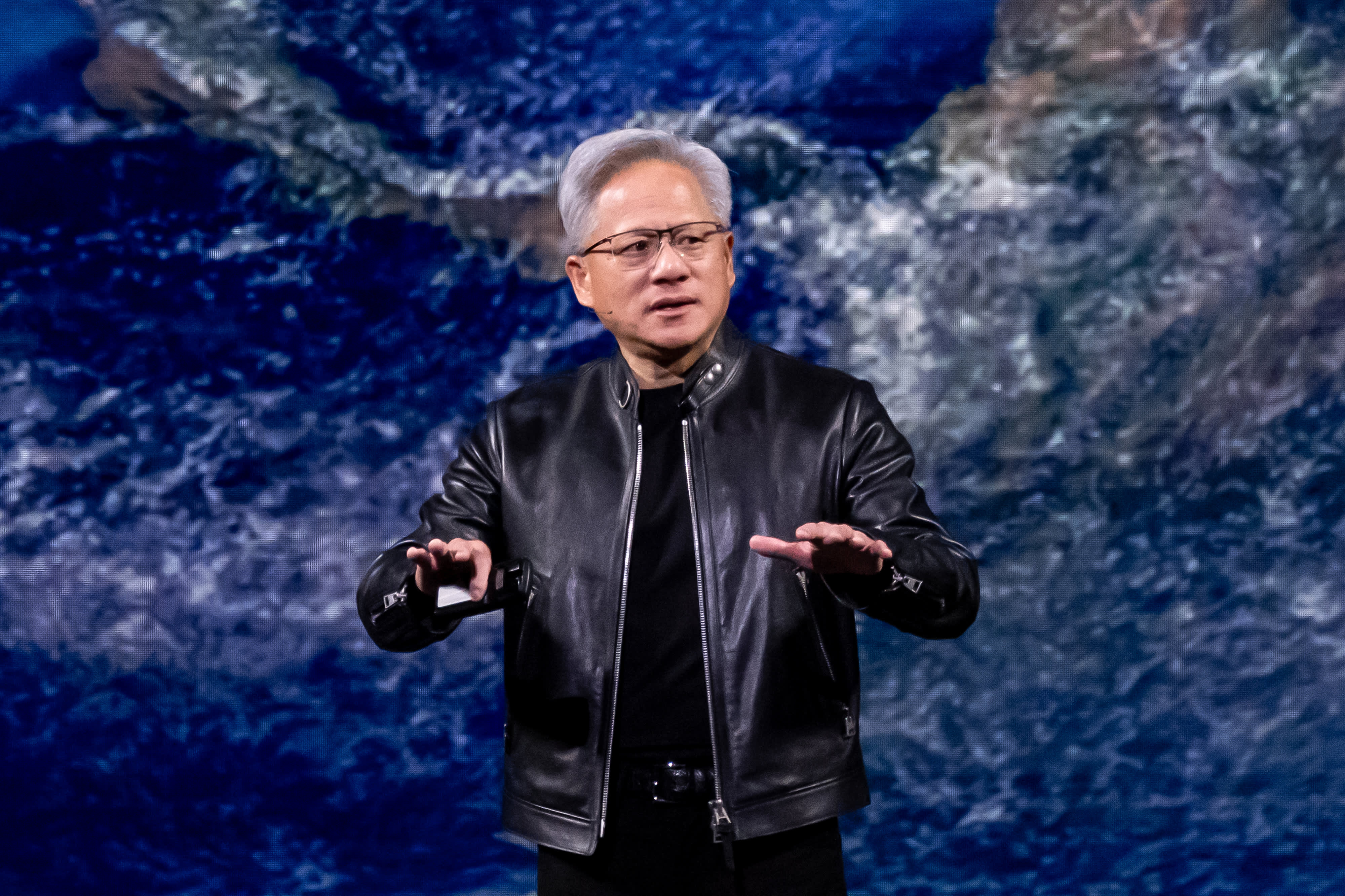
During his keynote at GTC 2026, Nvidia CEO Jensen Huang declared that "space computing, the final frontier, has arrived." The company positioned its new offerings as essential for the growing commercial space sector, where AI must operate reliably in size-, weight-, and power-constrained (SWaP) environments. The Space-1 Vera Rubin Module is the flagship of this initiative, engineered specifically for orbital use.
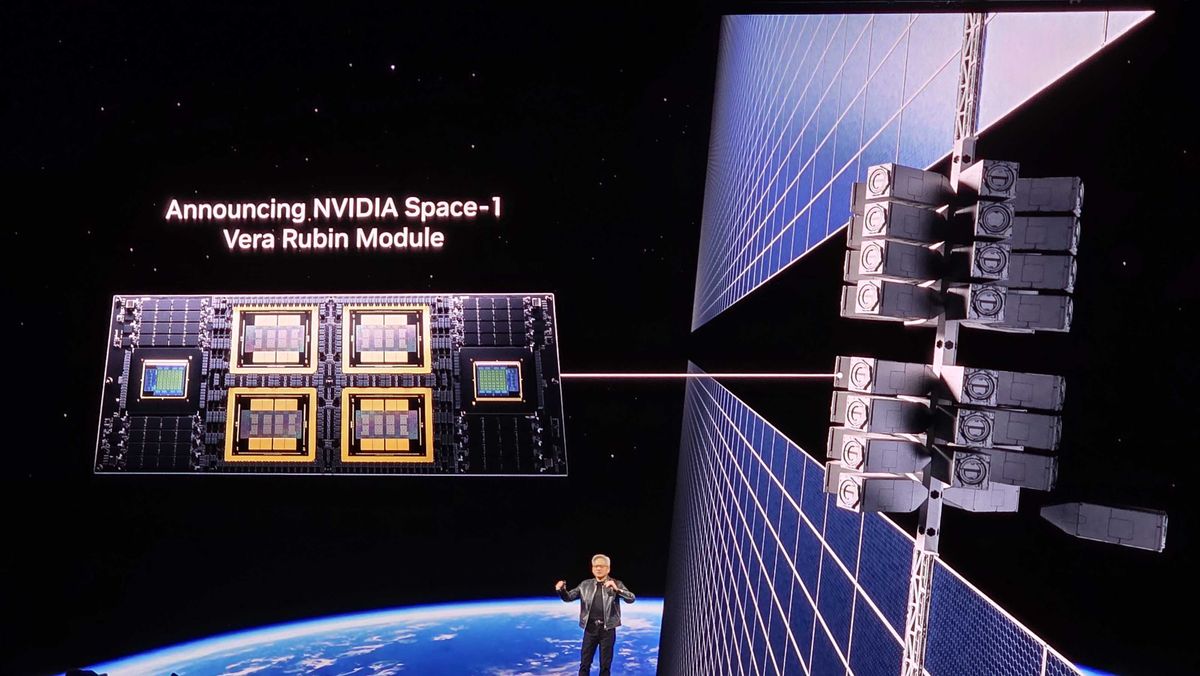 Image: tomshardware.com
Compared to the widely used H100 GPU already being tested in space, the Rubin GPU inside the Space-1 module promises up to 25x more AI compute for space-based inferencing. This dramatic performance jump enables large language models and advanced foundation models to run directly in orbit for the first time. The module features a tightly integrated CPU-GPU architecture with high-bandwidth interconnects, allowing it to handle massive data streams from space-based sensors in real time.
Beyond the flagship module, Nvidia highlighted complementary platforms already available today: the IGX Thor for industrial-grade, power-efficient AI inference with functional safety features, and the ultra-compact Jetson Orin for edge AI in the most constrained spacecraft. These solutions create a complete stack from satellites to potential orbital data centers, with ground-based RTX PRO 6000 Blackwell GPUs handling large-scale Earth imagery processing.
Technical Capabilities and Performance Breakthroughs
The Space-1 Vera Rubin Module isn't just a repackaged data center GPU. It's been optimized from the ground up for the rigors of space. Key features include radiation tolerance considerations, extreme energy efficiency for solar-powered operation, and the ability to deliver high-performance computing while respecting strict power budgets. The Rubin GPU brings forward advancements from the Vera Rubin platform, including an enhanced Transformer Engine with hardware-accelerated adaptive compression for superior efficiency in AI workloads.
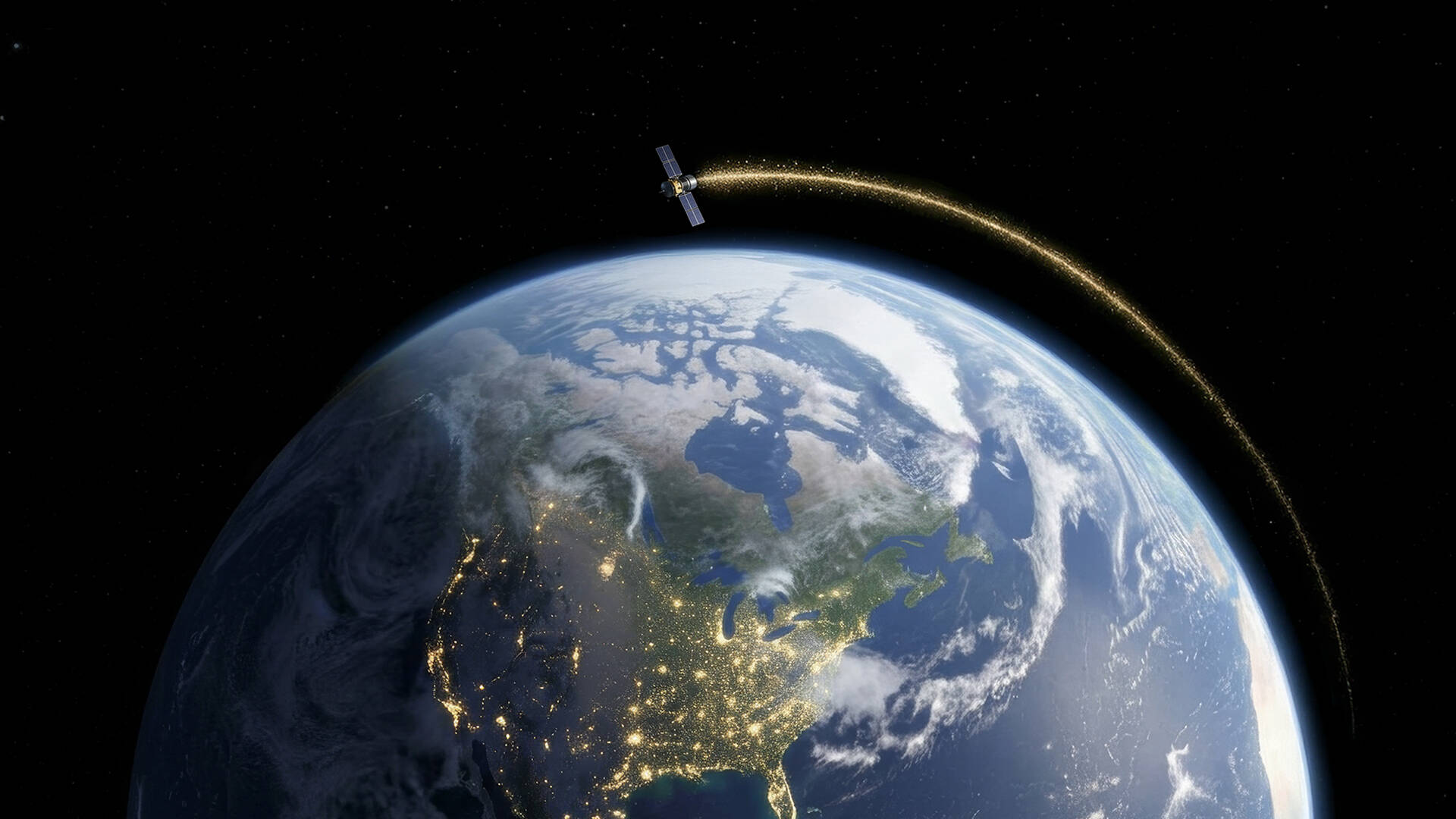 Image: theregister.com
Practical benefits are substantial. By processing data at the source, these modules dramatically reduce the need for high-bandwidth downlinks to Earth, cutting latency and bandwidth costs while enabling near real-time insights. For geospatial intelligence applications, this means faster disaster response, improved environmental monitoring, and more accurate climate predictions. Autonomous space operations become more feasible as spacecraft gain the ability to make intelligent decisions without constant ground control input.
Insights for space tech developers: The availability of familiar CUDA and NVIDIA AI software ecosystems means teams don't need to reinvent their workflows for space deployment. Existing models trained on ground-based Nvidia systems can transition more smoothly to orbital environments. Companies should prioritize workloads that benefit most from edge inference, such as image analysis, anomaly detection in sensor data, and real-time navigation adjustments.
Industry Partners Embracing Orbital AI
Nvidia isn't venturing into space alone. Six pioneering companies have already signed on to deploy these platforms across various missions:
- Aetherflux: Using the Vera Rubin Module to enable solar-powered autonomous operations and scalable space-based AI infrastructure.
- Axiom Space: Incorporating the technology into next-generation space station modules and operations.
- Kepler Communications: Deploying Jetson Orin on satellites to create smarter data networks with AI-driven routing and management.
- Planet Labs PBC: Leveraging the full stack to process daily Earth imagery in near real-time using AI models like CorrDiff for actionable insights.
- Sophia Space: Building modular, passively cooled orbital computing platforms with embedded Jetson Orin AI capabilities.
- Starcloud: Developing purpose-built orbital data centers capable of hyperscale AI training and inference in space.
These partnerships demonstrate broad industry excitement. Planet Labs CEO Will Marshall noted how the technology enables a "revolutionary leap in planetary intelligence," while Starcloud's Philip Johnston highlighted the potential for space to become a seamless extension of the global cloud.
Use Cases and Practical Insights for Space AI Deployment
The potential applications span multiple domains. Orbital data centers (ODCs) could process massive datasets locally, training models or running inference without constant Earth communication. Geospatial intelligence benefits from immediate analysis of Earth observation data, supporting everything from agriculture monitoring to defense applications. Autonomous spacecraft can use onboard AI for scientific discovery, collision avoidance, and mission optimization.
For organizations considering space AI deployments, several practical tips emerge from this announcement. First, start with Jetson Orin or IGX Thor for near-term missions since they're available today, then plan transitions to the full Space-1 Vera Rubin Module when it becomes available later. Focus on workloads that combine sensor fusion with AI inference to maximize value from limited downlink capacity. Security remains critical—Nvidia's platforms include features like secure boot and functional safety that are essential in space environments.
Energy management is another key consideration. The modules' efficiency enables solar-powered operation, but mission planners should model power budgets carefully across eclipse periods and high-compute tasks. Software compatibility with the broader Nvidia ecosystem allows teams to develop and test extensively on the ground before deployment.
The Future of AI Beyond Earth
Nvidia's Space-1 Vera Rubin Module announcement signals the beginning of a new era where AI isn't limited to terrestrial data centers. As satellite mega-constellations expand and humanity establishes more permanent presence in space, intelligent computing infrastructure will be as vital as propulsion or life support systems.
This development comes at a time when the Vera Rubin platform is also transforming ground-based AI factories with massive performance gains over Blackwell. The space-adapted version shows how Nvidia is thinking holistically across environments, from hyperscale data centers to the vacuum of space.
While the Space-1 Vera Rubin Module won't ship immediately, its promise of 25x performance gains and the immediate availability of supporting platforms suggest rapid adoption is likely. For the space industry, this could accelerate everything from Earth observation capabilities to deep space exploration autonomy.
As Jensen Huang aptly put it, intelligence must live wherever data is generated. With these new modules, Nvidia is ensuring that in the rapidly expanding realm of space commerce and exploration, AI will be along for the ride—quite literally—processing, learning, and deciding in the cosmos itself. The final frontier just got significantly smarter.