 Image: wired.com
Introduction: The Smartwatch That Finally Fixes Its Biggest Flaw
As a longtime wearer of Apple Watches, I've grown tired of the daily charging ritual that has plagued the lineup for years. The Apple Watch Series 11, released in September 2025, promises to change that with official 24-hour battery life and a host of new health insights powered by watchOS 26. Six months into its lifecycle, does it live up to the hype or is it just another incremental update?
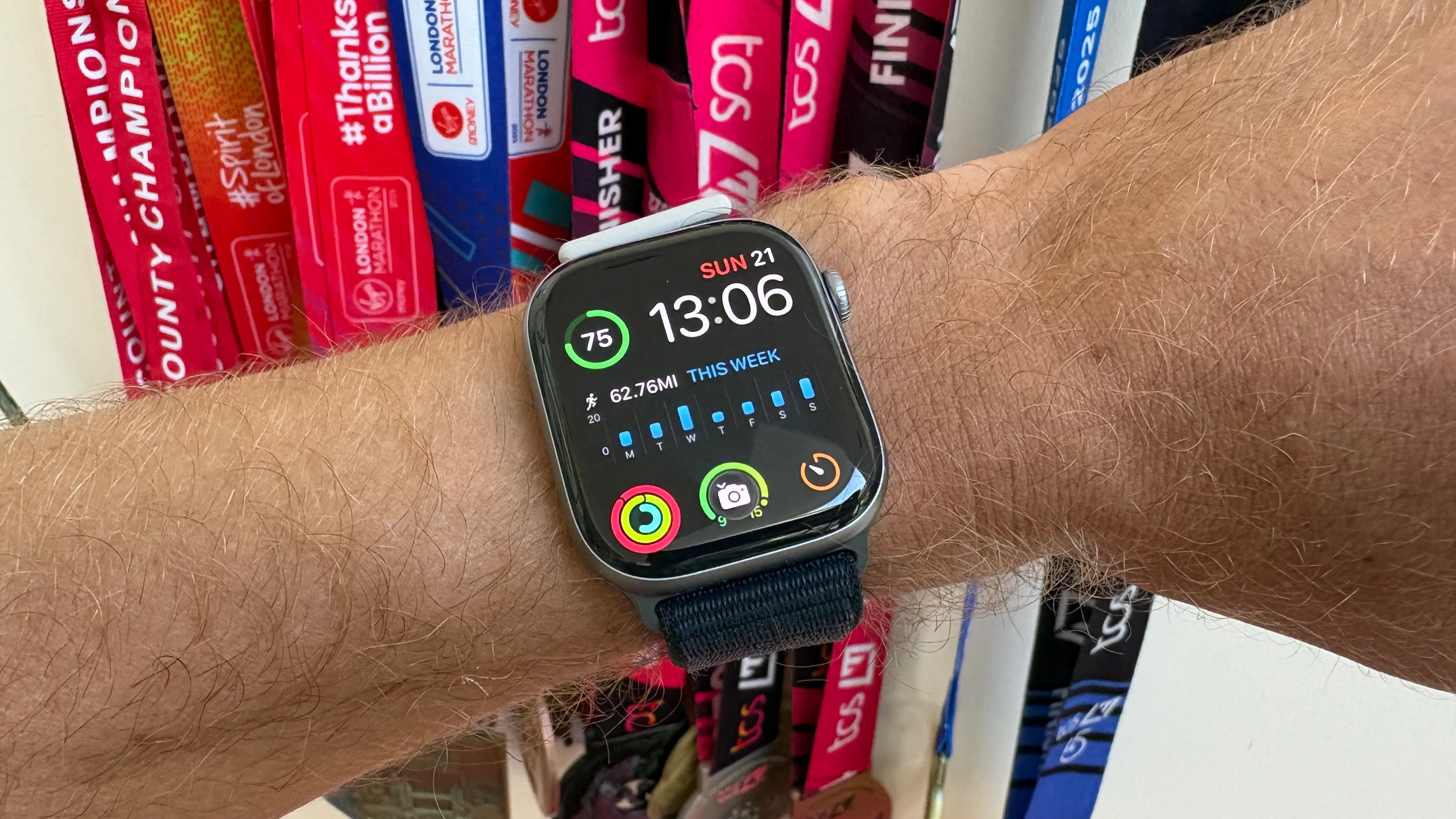 Image: theruntesters.com
In this review, I'll break down the design, health features, performance, and value of the Series 11 based on real-world testing and the latest critical consensus. With competition heating up from Samsung and Google, Apple needed to deliver more than just a new number on the case. Let's see how it stacks up.
Design and Build: Slim, Durable, and Comfortable for All-Day Wear
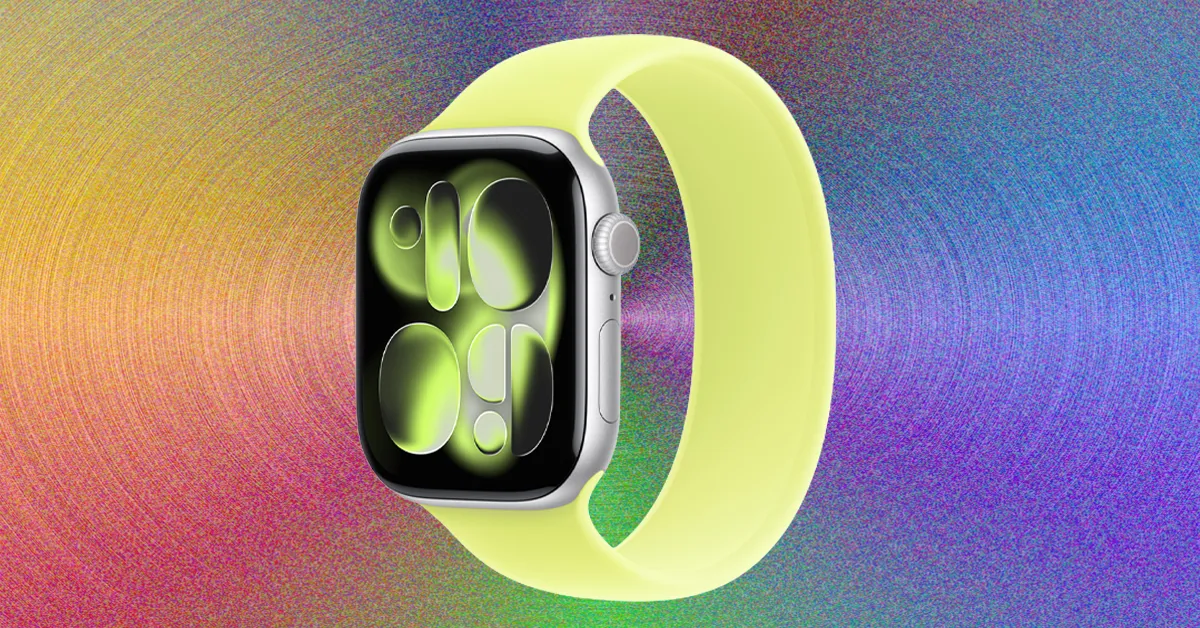
The Series 11 maintains the sleek, thin profile introduced in the Series 10, making it Apple's thinnest smartwatch yet. At just 9.7mm thick for the 46mm model, it disappears on the wrist during sleep and workouts. I tested both the 42mm and 46mm aluminum versions and found them exceptionally comfortable for 24/7 wear.
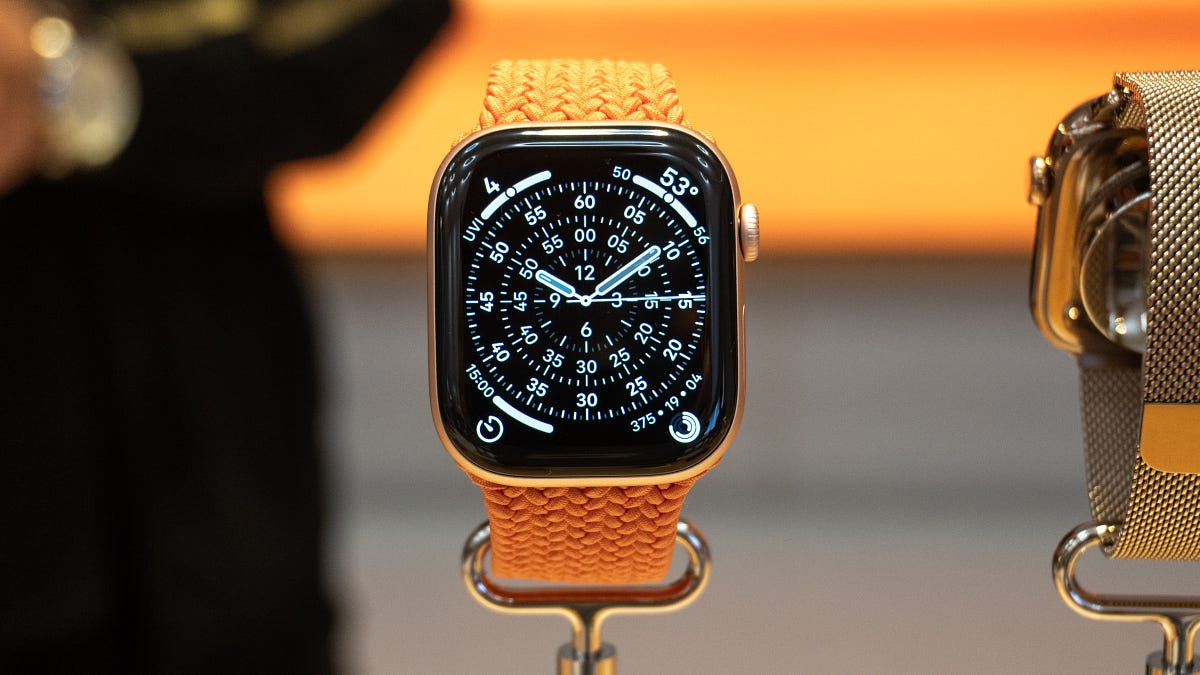 Image: theshortcut.com
New this year is 2x more scratch-resistant Ion-X glass with a ceramic coating on aluminum models. After months of daily abuse including gym sessions and accidental bumps, my review unit shows virtually no marks— a noticeable improvement over the Series 10. The display remains a bright Always-On Retina panel reaching up to 2000 nits, easily readable in direct sunlight or at awkward angles.
Color options include a fresh Space Gray alongside Jet Black, Rose Gold, and Silver for aluminum, with premium titanium variants in Natural, Gold, and Slate starting at a much higher price. The digital crown feels precise, and the new wrist flick gesture for dismissing notifications and alarms is surprisingly useful in meetings or during workouts.
However, if you're coming from a Series 10, the design is virtually identical. No major aesthetic refresh here, which might disappoint some looking for a visual upgrade.
Health and Fitness Features: Smarter Insights with Hypertension and Sleep Score
This is where the Series 11 shines brightest. The headline feature is FDA-cleared hypertension notifications, which analyzes blood vessel patterns over a 30-day period using the optical heart sensor to flag potential chronic high blood pressure. It's not a real-time blood pressure monitor but provides valuable awareness—I've found the alerts prompt useful conversations with my doctor.
The new Sleep Score delivers a 0-100 rating based on duration, consistency, interruptions, and stages, with breakdowns available in the iOS Health app. Combined with existing sleep apnea notifications, the Vitals app now gives a comprehensive overnight health snapshot including heart rate variability, respiratory rate, and wrist temperature deviations.
- ECG app for AFib detection
- Blood Oxygen monitoring
- High/low heart rate and irregular rhythm alerts
- Advanced Cycle Tracking with retrospective ovulation estimates
- Crash and Fall Detection with improved accuracy
Fitness tracking remains class-leading with accurate heart rate (often matching chest straps in testing), GPS for runs, and the new Workout Buddy. Powered by Apple Intelligence (requiring a nearby iPhone), Workout Buddy offers real-time voice motivation during runs, walks, and other activities. It's like having a personal trainer on your wrist—encouraging without being annoying.
Practical tip: Enable the Vitals app notifications and wear the watch consistently for at least two weeks to get the most accurate baselines for hypertension tracking and sleep scoring. The Training Load feature also helps prevent overtraining by showing workout impact over time.
Battery Life and Performance: The Long-Awaited Upgrade
Finally, Apple delivers on the promise of all-day battery life. Rated for up to 24 hours of normal use (or 38 hours in Low Power Mode), real-world testing showed 27-32 hours with sleep tracking, multiple workouts, notifications, and occasional cellular use. This is a game-changer—no more midday top-ups or forgetting to charge before bed.
Fast charging is excellent: 15 minutes delivers about 8 hours of use, perfect for a quick boost. The reengineered battery combined with efficiency improvements (despite using the same S10 chip as the Series 10) makes this the most practical Apple Watch yet for continuous health monitoring.
Performance is snappy for daily tasks, apps, and navigation. The 5G cellular connectivity (on supported models) offers faster speeds and more reliable connections than previous LTE, especially in fringe areas. However, the lack of a new processor means it doesn't feel noticeably faster than last year's model. Gesture controls like double-tap remain handy but somewhat limited in scope.
One minor complaint: While better than before, heavy users with always-on display, frequent GPS workouts, and cellular may still need to charge every night. Competition from the Ultra 3 with its multi-day battery highlights this as an area for future improvement.
Smart Features, Ecosystem, and watchOS 26
The Series 11 excels in the Apple ecosystem. Seamless integration with iPhone, Mac, and other devices makes features like Precision Finding, Check In, and Live Translation (via Apple Intelligence) feel magical. The refreshed watchOS 26 interface with Liquid Glass effects looks modern, though I recommend tweaking transparency settings for better readability.
New Watch faces, the redesigned Workout app with smart media selection, and Smart Stack improvements keep the experience fresh. Siri now has better on-device health data access for privacy-focused queries.
However, many software features like Sleep Score and hypertension notifications are rolling out to older compatible models via watchOS 26, reducing the urgency to upgrade from Series 9 or 10.
Pros, Cons, and Value in 2026
Pros:
- Transformative 24+ hour battery life
- Excellent new health insights including hypertension alerts and Sleep Score
- Dramatically improved scratch resistance
- Reliable 5G connectivity
- Best-in-class iOS integration and fitness tracking accuracy
- Comfortable all-day wear
Cons:
- Minimal design changes from Series 10
- Same S10 processor means no performance leap
- Titanium models are very expensive ($699+)
- Not all features are exclusive (many via software update)
- Competition from Android wearables is closing the gap
Priced from $399 for GPS models (often discounted to $299 in 2026 sales), the Series 11 offers strong value for new buyers or those with Series 8 or older. If you own a Series 10, it's probably not worth upgrading unless battery life has been a major pain point.
Final Verdict
The Apple Watch Series 11 is the most refined and practical smartwatch Apple has ever made. The battery life improvement alone makes it a worthy successor, while the health features provide genuine, clinically-backed value for users serious about their wellness. It's not revolutionary, but it's exceptionally well-executed.
For iPhone users seeking the best balance of health tracking, smart features, and now-reliable battery life, this is the Goldilocks smartwatch. In a world of increasingly capable competitors, the Series 11 maintains Apple's lead through polish and ecosystem integration.