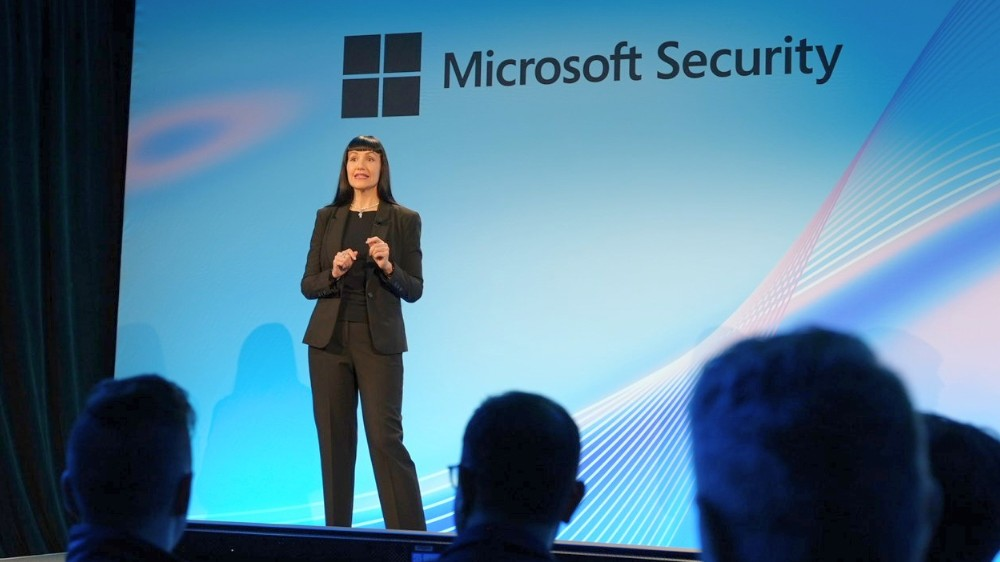
 Image: microsoft.com
Microsoft Supercharges Azure Security with AI-Powered Features for Enterprise IT in 2026
As enterprises increasingly migrate critical workloads to the cloud and adopt AI at scale, cybersecurity threats have grown more sophisticated and targeted. Microsoft is responding with a wave of advanced security enhancements to Azure, centered on Microsoft Defender for Cloud. Recent updates announced at Ignite 2025 and rolled out through early 2026 focus on AI workload protection, seamless code-to-runtime security, and unified visibility across Azure, AWS, and GCP.
These developments come at a critical time. With AI agents projected to number in the billions and serverless architectures becoming mainstream, traditional security tools often fall short. Microsoft's latest features emphasize "secure by default" principles, automation via Security Copilot, and proactive risk reduction—helping enterprise IT teams stay ahead of threats while simplifying compliance and incident response.
AI-Driven Posture Management and Threat Protection Take Center Stage
One of the biggest leaps forward is the expansion of Cloud Security Posture Management (CSPM) to cover AI workloads and serverless resources. Defender for Cloud now offers AI Bill of Materials (AI BOM) discovery, providing visibility into model components, dependencies, and services. This is paired with AI Workload Attack Path Analysis that maps potential lateral movement across AI pipelines, storage, and compute resources.
 Image: erp.today
In early 2026, Microsoft introduced AI model security for Azure Machine Learning (in preview), enabling malware scanning of models in registries and workspaces. Enterprises can now review and remediate unsafe operators directly in Defender for Cloud. Additionally, threat protection for AI agents became available in February 2026, aligning with OWASP guidelines for LLM and agentic AI security.
Serverless protection, previewed in late 2025, extends to Azure Functions, Web Apps, and AWS Lambda. This closes visibility gaps in dynamic, event-driven environments that power many modern enterprise applications. Practical tip: Enable Defender CSPM plans and regularly review attack path analysis in the portal to prioritize the most exploitable risks—many organizations report reducing their attack surface by focusing on these contextual insights first.
Code-to-Runtime Integration with GitHub Advanced Security
Microsoft bridged the gap between development and operations with native integration between GitHub Advanced Security (GHAS) and Defender for Cloud, announced at Ignite 2025 and now in public preview. When vulnerabilities are detected in running Azure workloads, developers receive runtime context directly in their GitHub workflows, complete with AI-suggested fixes powered by Copilot Autofix.
 Image: news.etr.ai
This "code to cloud" traceability allows security teams to open GitHub issues from Defender alerts with full production impact details. For enterprise IT, this means faster remediation cycles—from days to hours—and better collaboration between SecOps and DevOps teams. Recent 2026 updates also added in-pipeline container vulnerability scanning and code-to-runtime enrichment for recommendations.
Encryption and secret management received boosts too. Azure Key Vault enhancements support automated secret rotation for AI agents, while mandatory TLS 1.2 enforcement for Azure Storage (effective February 2026) strengthens data-in-transit protection. Enterprises should audit legacy systems now to avoid disruptions and combine this with Private Endpoints for Azure OpenAI to keep sensitive AI traffic off the public internet.
Unified Defender Portal and Enhanced Incident Response
Security teams juggling multiple tools will welcome the deeper integration of Defender for Cloud into the Microsoft Defender XDR portal (preview launched November 2025). This unified view brings together posture, threat protection, asset inventory, and recommendations across multicloud environments. Microsoft Sentinel is also transitioning to this portal, with migration support extending to March 2027.
Incident response gets smarter with AI-Powered Incident Prioritization (public preview in 2026), which uses machine learning to correlate signals, assess business impact, and rank alerts—reducing fatigue significantly. Automated malware remediation for Defender for Storage reached general availability in March 2026, automatically soft-deleting malicious blobs.
New compliance frameworks added in late 2025 include support for the EU AI Act, DORA, NIST CSF, and others. Combined with Data Security Posture Management via Microsoft Purview, enterprises gain better oversight of sensitive data used in AI systems. Tip for incident responders: Leverage Security Copilot's natural language querying in the unified portal to quickly generate remediation scripts and assign tasks, dramatically cutting mean time to resolution.
Practical Insights: Getting Started with Azure's New Security Stack
Enterprise IT leaders should prioritize the following steps:
- Enable core plans: Activate Defender CSPM, Defender for Servers Plan 2, and the AI Services plan for comprehensive coverage.
- Integrate early: Connect GitHub Advanced Security to Azure workloads for end-to-end visibility and automated fixes.
- Focus on AI governance: Use AI BOM and agent inventory features to discover shadow AI and enforce boundaries with Microsoft Entra Agent IDs.
- Test and simulate: Use new alert simulation tools for SQL and malware scanning features to validate your defenses.
- Monitor compliance: Map your environment against the updated Microsoft Cloud Security Benchmark v2, which now includes AI-specific controls.
These features are particularly valuable for regulated industries like finance and healthcare, where compliance with standards such as HIPAA, GDPR, and emerging AI regulations is non-negotiable. Multicloud expansions in March 2026 added nearly 150 new recommendations, making it easier to maintain consistent security postures regardless of provider.
Looking Ahead: The Future of Secure Azure Enterprise Deployments
Microsoft's 2026 security roadmap reflects a clear shift toward autonomous, AI-augmented defense. By embedding security deeper into the platform—from development pipelines to runtime AI agents—the company is helping enterprises reduce complexity while raising their overall security maturity.
While challenges remain, including managing the rapid pace of updates and training teams on new tools, the benefits are substantial: fewer alerts, faster response times, stronger encryption defaults, and proactive threat hunting. As AI adoption accelerates, features like these will likely become table stakes for enterprise cloud providers.
Organizations using Azure should review their current Defender plans and begin piloting the latest previews to stay competitive and secure. The message from Redmond is clear: security is no longer an add-on—it's foundational to every Azure workload.