 Image: ndsmcobserver.com
Introduction: A Hail Mary for Optimistic Sci-Fi
Released in theaters and IMAX on March 20, 2026, Project Hail Mary arrives at a perfect time. With audiences craving smart, hopeful science fiction after years of dystopian grimdark, Andy Weir's beloved 2021 novel gets the blockbuster treatment from directors Phil Lord and Christopher Miller. Starring Ryan Gosling as Ryland Grace, the film follows a science teacher who awakens on a spaceship light-years from Earth with amnesia, only to discover he's humanity's last hope against a crisis that could extinguish the sun.
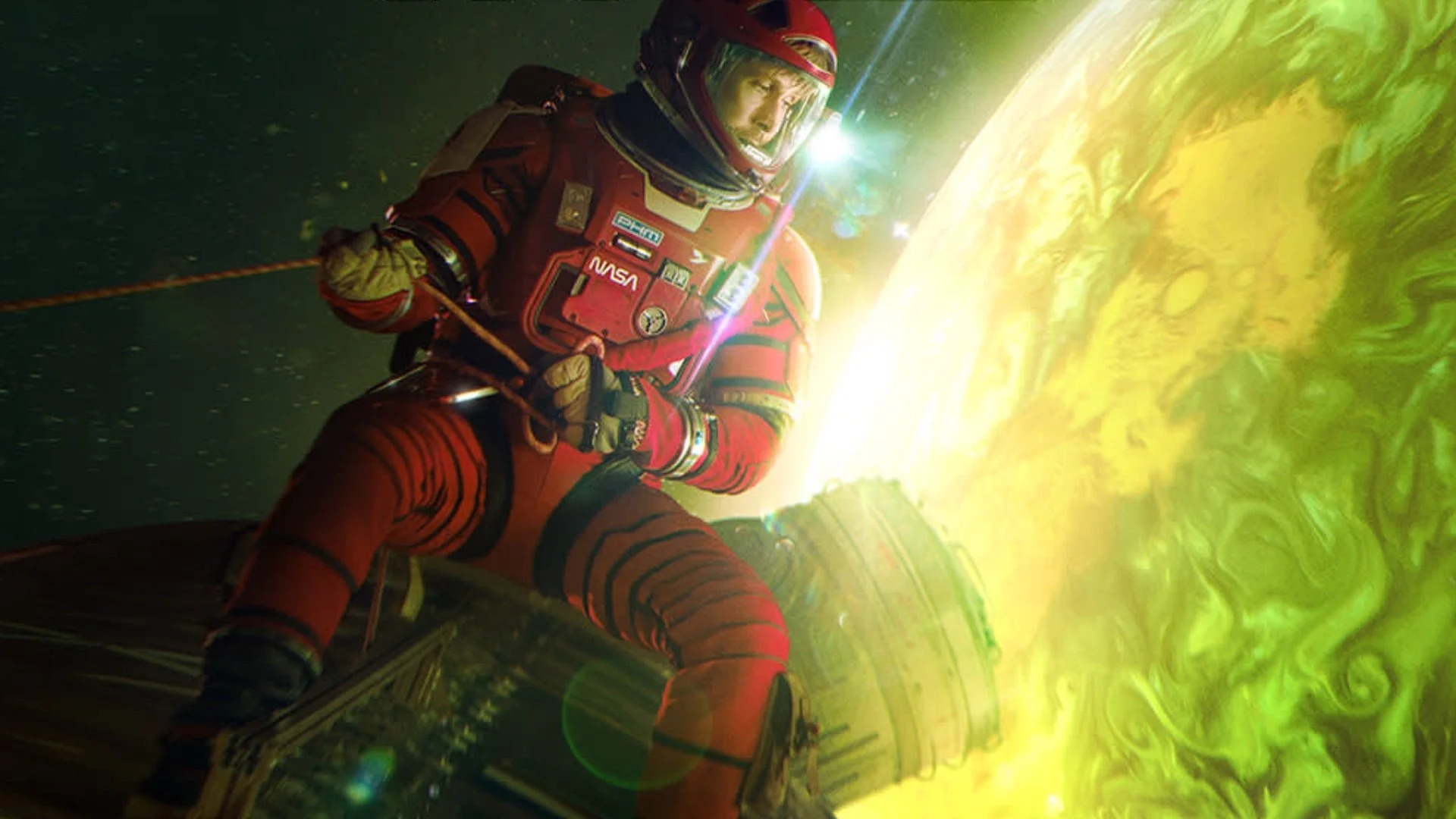 Image: geektyrant.com
I went into the theater with high expectations given the source material's hard sci-fi credentials and the creative team's track record with clever blockbusters. After seeing it in IMAX just days after release, it's clear this is one of 2026's most ambitious films. But does it stick the landing? Let's break it down.
From Bestseller to Blockbuster: The Adaptation Challenge
Andy Weir's Project Hail Mary expanded on the success of The Martian with even more intricate science, first-contact elements, and an unlikely interspecies friendship. The film, scripted by Drew Goddard, condenses the novel's dense scientific explanations into a brisk 156-minute runtime while preserving the core mystery and wonder.
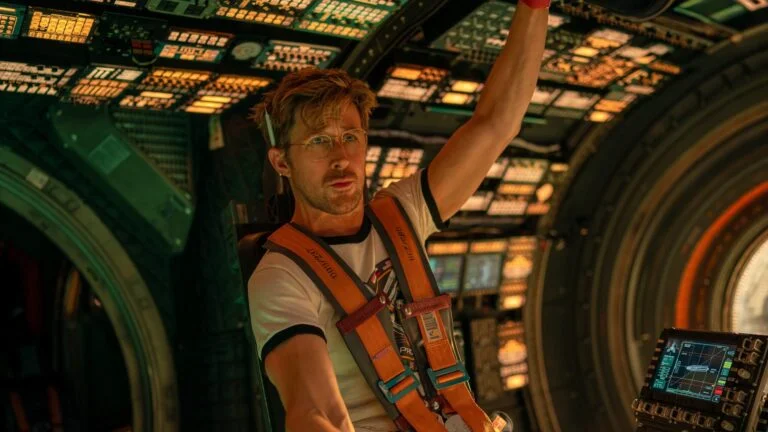 Image: boston.com
Recent developments show the project has been in the works for years, with Gosling attached since 2023. Filmed with IMAX cameras specifically in mind, the production reportedly had a budget exceeding $100 million. Early box office reports indicate it opened to around $80 million domestically in its first weekend, signaling strong audience interest. Critics have largely embraced it, with Rotten Tomatoes currently sitting at 94% from over 300 reviews, praising its fusion of intelligence and heart.
The story cleverly balances flashbacks to Earth's desperate preparations with Grace's present-day struggles aboard the spacecraft. The crisis involving astrophage—a microorganism devouring the sun's energy—feels both plausible and terrifying, grounding the interstellar adventure in real scientific concepts like solar dimming and microbial life.
Ryan Gosling's Charismatic Command Performance
Gosling is the gravitational center of Project Hail Mary. He effortlessly shifts between confused amnesiac, brilliant problem-solver, and reluctant hero. His natural humor shines through in tense moments, providing levity without undermining the stakes. The role requires him to essentially perform a one-man show for large stretches, and he carries it with the same winning charm that made him perfect for films like The Martian's Mark Watney spiritual successor.
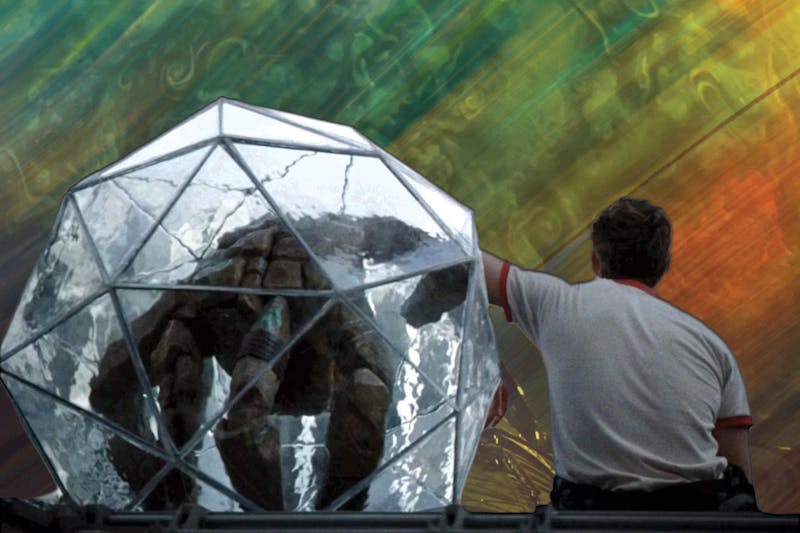
Supporting performances are solid, with Sandra Hüller bringing intensity as the no-nonsense project leader Eva Stratt. The real scene-stealer, however, is Rocky—the alien engineer from the planet Erid. Designed with remarkable detail, Rocky's movements, vocalizations, and personality create one of the most memorable extraterrestrial characters in recent cinema. The chemistry (or should we say interspecies rapport?) between Gosling and Rocky drives the film's emotional core.
Lord and Miller's direction keeps the energy high, blending humor, tension, and awe in ways that recall their work on The Lego Movie and Spider-Verse but with live-action scope. The score complements the visuals perfectly, swelling during discovery moments and grounding the more introspective scenes.
Visual Spectacle, Technical Achievements, and Sci-Fi Smarts
Where Project Hail Mary excels most is in its technical execution. The IMAX sequences are breathtaking, capturing the vastness of space and the claustrophobic reality of spaceship living with equal skill. Visual effects teams have created convincing depictions of astrophage, alien technology, and zero-gravity sequences that feel innovative rather than derivative.
The film doesn't shy away from the science. While it streamlines some of the book's detailed explanations, key concepts like energy transfer, chemical analysis, and biological problem-solving remain central. This commitment to intellectual problem-solving sets it apart from typical sci-fi action fare. Practical insights for viewers: see it in IMAX or premium formats if possible—the scale enhances the experience significantly. Those interested in the science might enjoy pausing to research concepts like stellar energy absorption afterward.
Practical tip: Whether you've read the book or not, going in fresh maximizes some surprises, though book fans will appreciate the major plot beats that remain intact. The film's value lies in its rewatchability—subtle details in the production design reward multiple viewings.
Critiques: Pacing, Fidelity, and Familiar Territory
Despite the strengths, the adaptation isn't flawless. Book fans may notice significant cuts, particularly in the early amnesia sequences and certain scientific investigations. The middle act feels the strongest, while the setup rushes through Earth's crisis and the ending compresses key resolutions that felt more earned in the novel. Some viewers have noted it leans more toward crowd-pleasing entertainment than rigorous hard sci-fi, occasionally prioritizing emotional beats over scientific precision.
At over two and a half hours, the pacing can drag slightly during repetitive problem-solving montages. A few supporting characters feel underdeveloped compared to the source material, and certain plot changes may confuse those unfamiliar with the book. While the optimistic tone is refreshing, it occasionally borders on formulaic in its Hollywood resolution.
These cons don't derail the experience but prevent it from reaching the heights of its potential. Compared to recent sci-fi like Dune or Interstellar, it feels more accessible but less groundbreaking in its philosophy.
Conclusion: A Worthy Celestial Journey
Project Hail Mary succeeds as a crowd-pleasing, visually spectacular sci-fi adventure that honors its source while carving its own identity. Gosling's performance, the groundbreaking depiction of Rocky, and the IMAX-optimized cinematography make it a theater-worthy event in early 2026. It proves that smart, hopeful science fiction can still thrive in blockbuster form.
For fans of thoughtful entertainment, it offers excellent value—entertaining, moving, and conversation-starting. As streaming release talks emerge for later in 2026 on Prime Video, catch it on the big screen first. This reviewer gives it a strong recommendation, especially for those seeking optimism in an often cynical genre.
In a year filled with franchise fatigue, Project Hail Mary feels like a genuine discovery. It may not be perfect, but it's a near-miraculous achievement in balancing spectacle with substance.