 Image: space.com
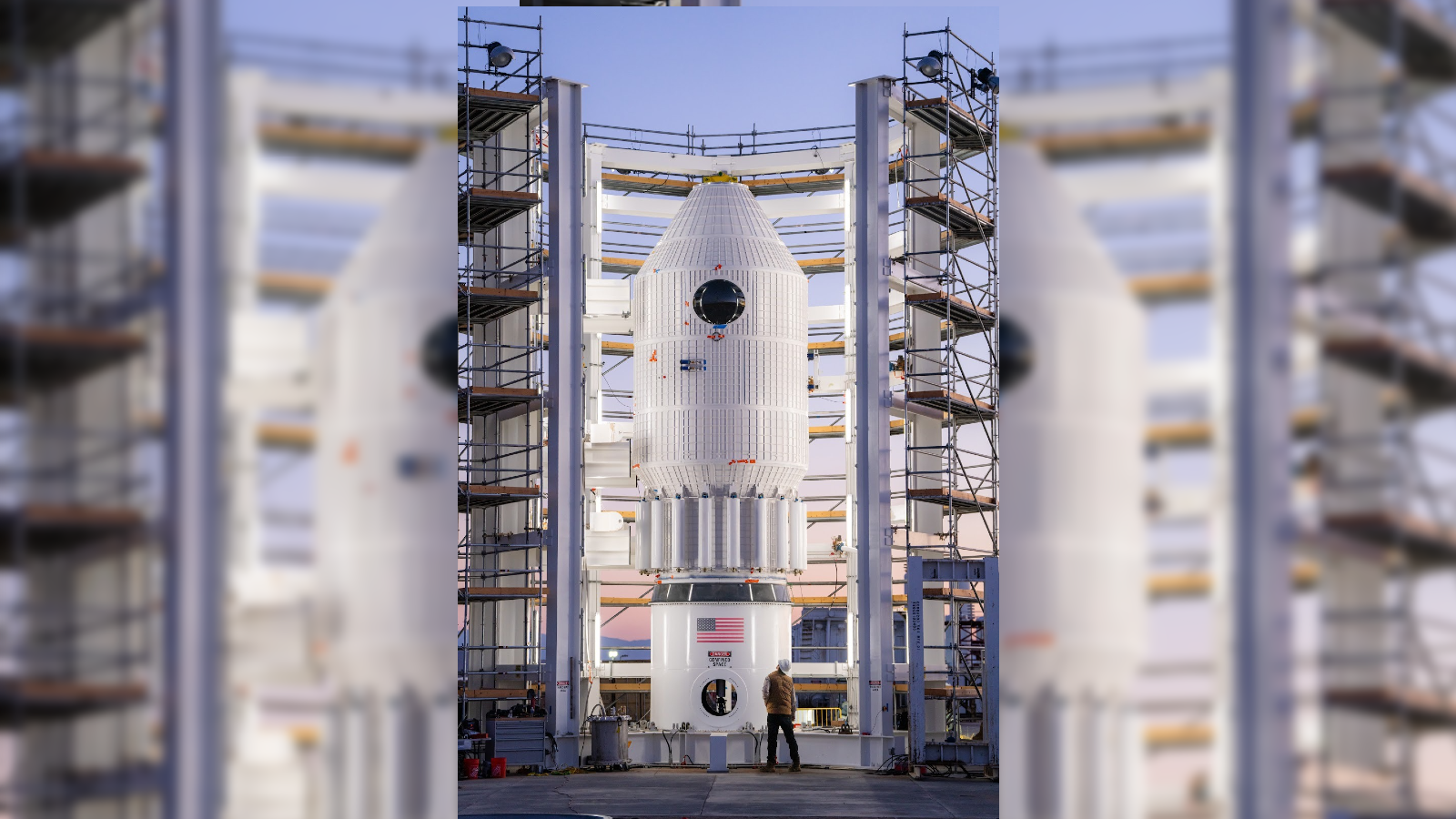
In the race to replace the aging International Space Station (ISS), which is slated for retirement around 2030, private companies are stepping up. Leading the charge is California-based Vast Space, whose Haven-1 module is advancing rapidly through integration and testing. Just this week, on March 11, 2026, the Federal Aviation Administration (FAA) issued a favorable payload determination for Haven-1 following interagency reviews with NASA, the State Department, Commerce, and national security entities. This clearance removes a critical regulatory hurdle, bringing the station closer to its targeted Q1 2027 liftoff aboard a SpaceX Falcon 9.
From Blueprints to Clean Room: Integration Accelerates
Back in January 2026, Vast announced the start of clean-room integration for Haven-1 at its Long Beach headquarters, marking the transition from individual components to a fully assembled flight vehicle. This phased process begins with pressurized fluid systems—like thermal control, life support, and propulsion—followed by avionics, air revitalization, and finally crew habitation elements such as micrometeoroid shielding and solar arrays. Recent tests include full-scale life support validation, ensuring astronauts can breathe safely and sleep comfortably, with input from NASA veterans like astronaut advisor Megan McArthur.
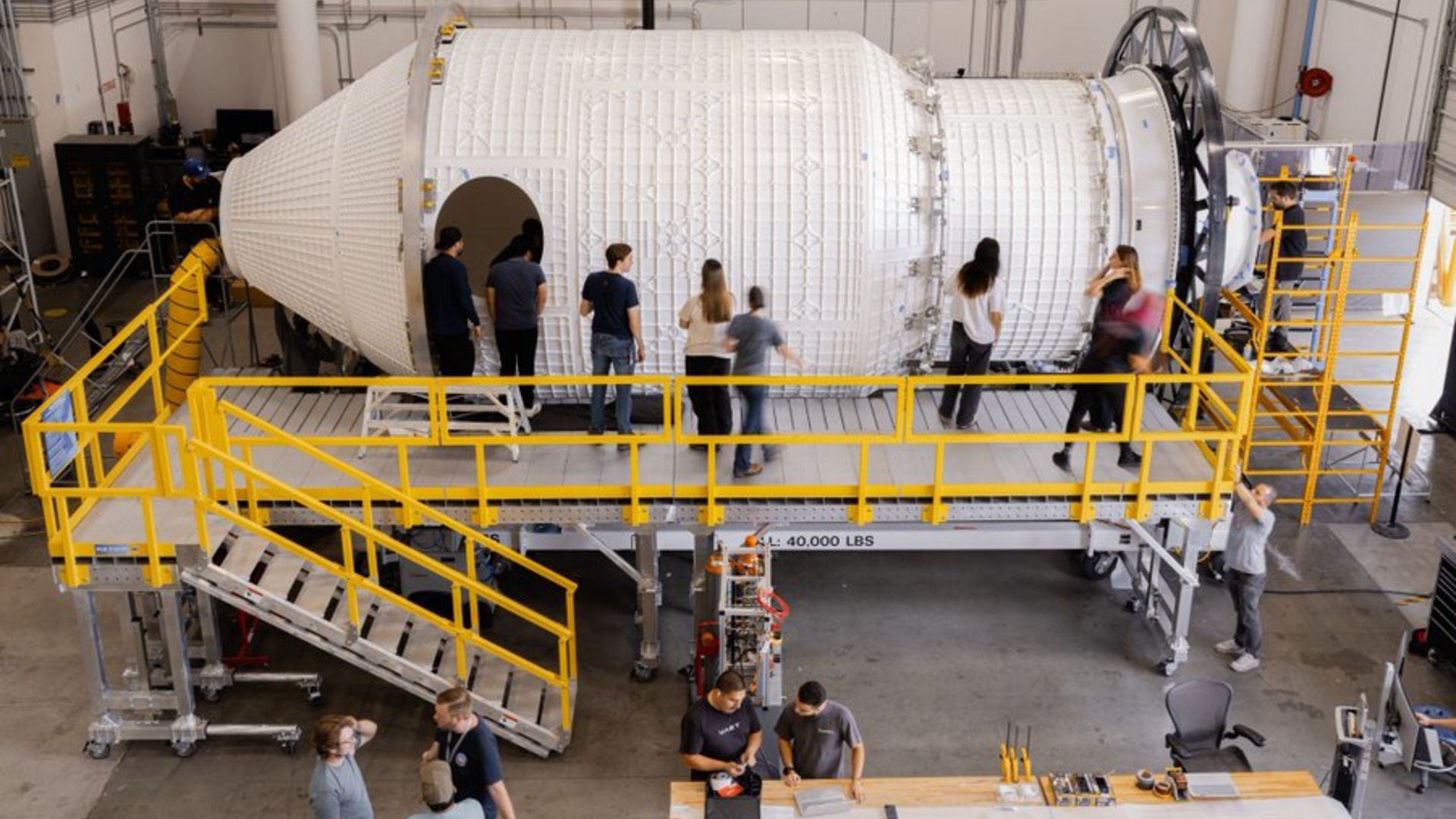 Image: space.com
Prior milestones paved the way: In late 2025, the primary structure passed pressure and load tests, the passive docking adapter was verified for SpaceX Dragon compatibility, and the Haven Demo pathfinder satellite successfully tested key subsystems in orbit. Next up are environmental tests at NASA's Neil Armstrong Test Facility later this year. CEO Max Haot emphasized the hardware-rich approach: "Haven-1 is not a concept; it is real, flight-tested hardware."
Haven-1 Unveiled: Compact Powerhouse for Orbital Innovation
Haven-1 isn't a sprawling ISS successor but a sleek, single-module station optimized for short-duration missions. Measuring 4.4 meters in diameter and 10.1 meters tall, it offers 45 cubic meters of habitable volume (80 m³ pressurized) for up to four crew members during two-week stays. Key specs include 13.2 kW from 12 deployable solar wings, six control moment gyroscopes for precise attitude control, Starlink laser terminals for high-speed internet—the first on a commercial station—and a 1.1-meter domed window for stunning 180-degree views.
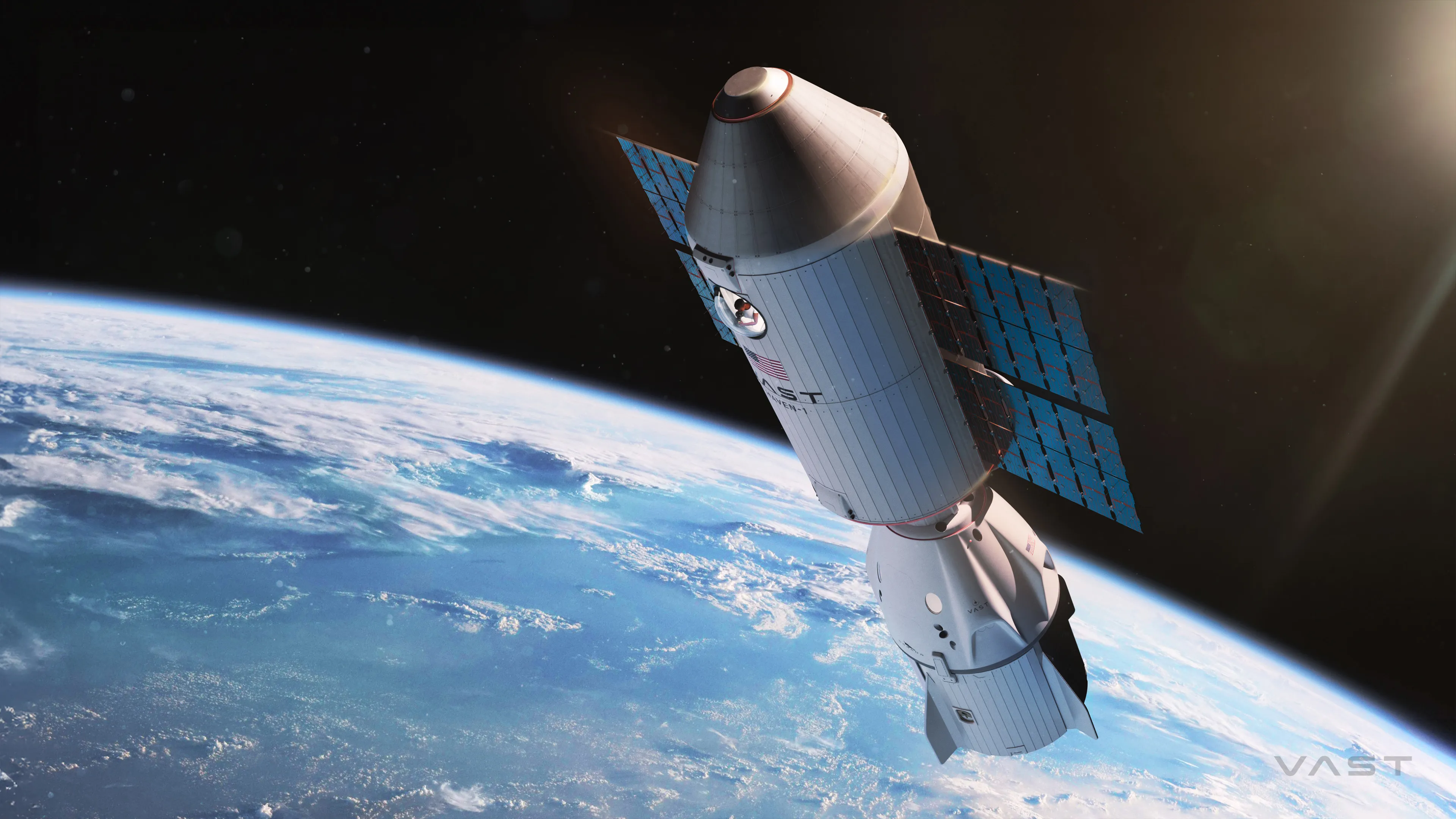 Image: nasa.gov
- Power & Propulsion: 13,200 W peak, Impulse Space thrusters tested via Haven Demo.
- Life Support: In-house air revitalization, oxygen trays, wet trash tanks for four crew.
- Docking: Autonomous with Dragon; manual override available.
- Lifespan: Three years in 425 km, 51.6° orbit, hosting four missions with uncrewed intervals.
Human-centric touches like personal quarters, a deployable communal table, and optimized sleep pods address microgravity challenges, prioritizing safety as Vast's top goal.
$500M Infusion and Strategic Alliances Fuel Expansion
On March 5, Vast closed a massive $500 million round—$300M equity led by Balerion Space Ventures, plus $200M debt from Qatar Investment Authority, Mitsui, MUFG, Nikon, and others. The funds will scale facilities, hire talent, and fast-track Haven-1 while advancing Haven-2, Vast's multi-module ISS successor aiming for continuous crew by 2030. This builds on prior NASA support, including air filter tests and a private astronaut mission slot to the ISS.
Partnerships with SpaceX for launch and transport, plus MOUs with Colombia, Maldives, and Uzbekistan, underscore global ambitions. Even the FCC has toured facilities to support spectrum needs.
Practical Insights: Getting Involved in the Haven Era
For researchers and companies eyeing microgravity: Vast invites payload proposals for science, manufacturing, and demos—crewed or autonomous. Private astronauts can book two-week expeditions via Dragon, with training pipelines mirroring NASA's. Tips: Start with Vast's research call (December 2025), leverage ISS National Lab ties, or explore VR tours on Apple Vision Pro. Costs are slashed 10x via vertical integration, democratizing access post-ISS.
As Vast proves, commercial stations like Haven-1 bridge the gap to a vibrant LEO economy, blending profit with progress.
Charting the Stars: Haven-1's Legacy
Haven-1's trajectory—from Demo success to FAA nod—signals the commercialization of space habitats. By launching before ISS deorbit, Vast ensures uninterrupted U.S. leadership in orbit, fostering breakthroughs in biotech, materials, and beyond. As Haot puts it, it's about "building a sustainable future in orbit." Watch for more updates as integration ramps up; the era of private space stations is here.