 Image: tomsguide.com
Introduction: The Ring That Changed How I Think About Health
As a tech journalist who's tested dozens of wearables from Apple Watches to budget fitness trackers, the Oura Ring 4 stands out as one of the most impactful devices I've used. Released in late 2024 and updated with new ceramic options in 2025, this fourth-generation smart ring has matured into a sophisticated health companion by March 2026. It's not trying to be a flashy smartwatch with notifications or apps—it's laser-focused on discreet, 24/7 biometric tracking that delivers meaningful insights into sleep, recovery, stress, and overall readiness.
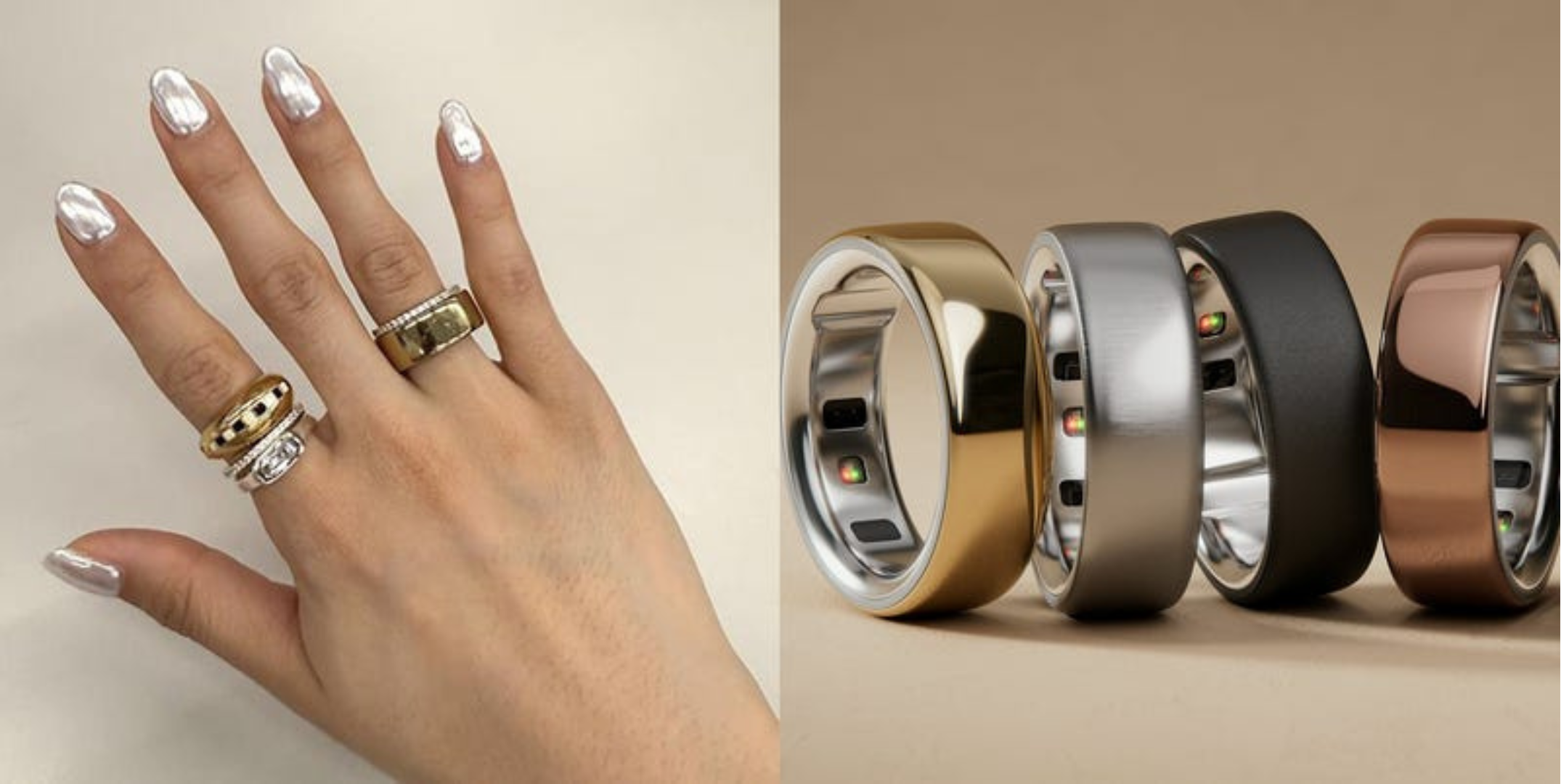 Image: cosmopolitan.com
Wearing the Oura Ring 4 feels like having a personal health coach on your finger. After months of daily use (including through the ceramic model's launch), I've seen how its data-driven feedback has genuinely improved my sleep consistency and daily decision-making. But is it worth the $349+ starting price plus the mandatory $5.99 monthly subscription? Let's dive into this critical review covering design, performance, features, value, and my final verdict.
Design and Comfort: Sleeker, Lighter, and Truly Discreet
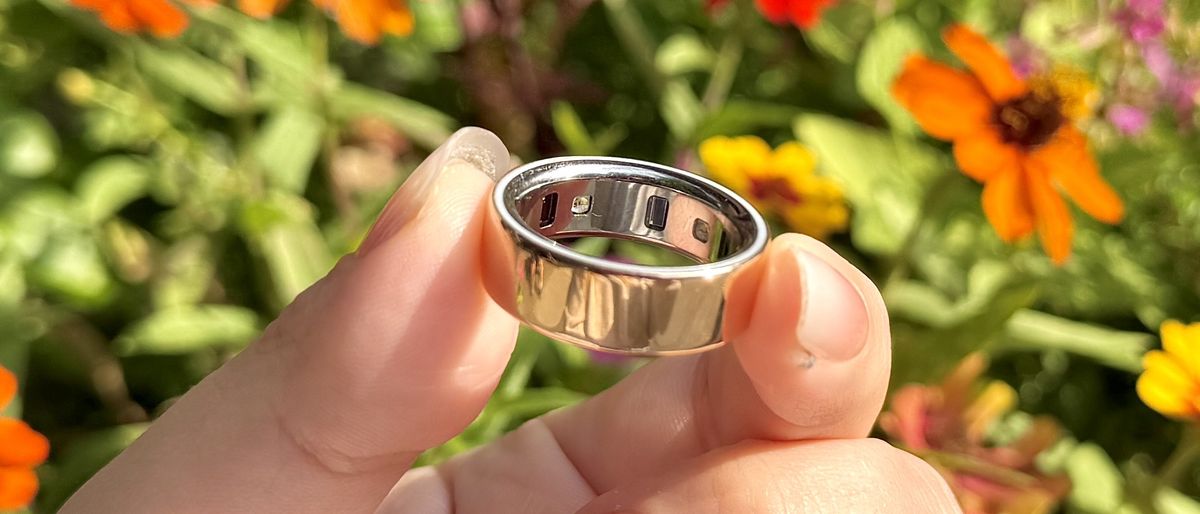
The Oura Ring 4 represents a significant evolution from the Gen 3. At just 2.88mm thick and weighing between 3.3-5.2 grams depending on size, it's noticeably slimmer and lighter. The biggest upgrade is the recessed Smart Sensing Platform—gone are the raised sensor bumps that could irritate or catch on things in the previous model. Sensors are now flush with the interior, making it incredibly comfortable for 24/7 wear, including during sleep, workouts, and even while typing or lifting weights.
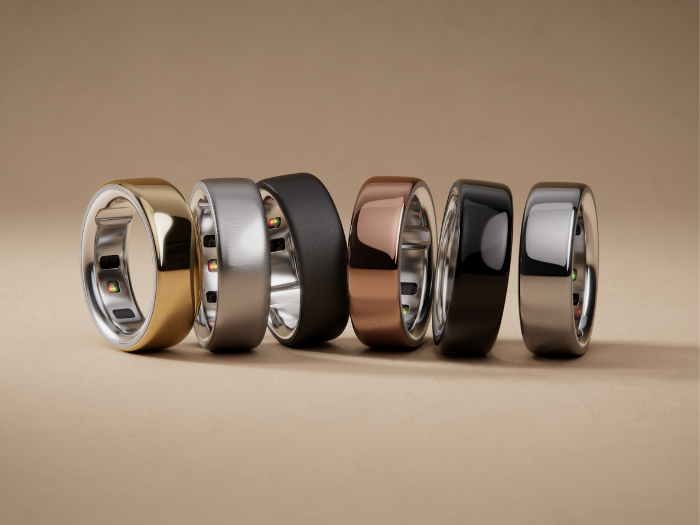 Image: ouraring.com
Available in sizes 4-15 (expanded from the Gen 3's range), it comes in titanium finishes like Silver, Black, Gold, Rose Gold, Brushed Silver, and Stealth. In October 2025, Oura introduced a premium Ceramic collection in colors like Cloud, Midnight, Petal, and Tide. These zirconia ceramic versions are more scratch-resistant and durable while maintaining the same tracking capabilities. The ring is water-resistant up to 100 meters, so showering, swimming, or even recreational diving is no problem.
Practically speaking, it blends seamlessly with other jewelry, making it far less noticeable than a bulky smartwatch. One tip: Use the free sizing kit before purchasing, as the flatter profile can sometimes require going down half a size for a snug fit. Battery life is exceptional—up to 8 days on a single charge, with quick top-ups taking 20-80 minutes. This is a major win over daily-charging watches.
However, it's not perfect. The ring doesn't come in half sizes, and some metal finishes show scratches over time (ceramic versions handle daily wear better). Overall, the design prioritizes comfort and style without compromising on tech.
Tracking Performance: Accurate Sleep and Recovery Insights
Where the Oura Ring 4 truly shines is in its health tracking. It uses an improved sensor suite including PPG for heart rate and SpO2, temperature sensors, and a 3D accelerometer. Heart rate accuracy is markedly better than the Gen 3, especially during activity and sleep. The automatic activity detection feature, enhanced via 2025 software updates, smartly identifies exercises like running, boxing, or even yoga without manual input.
The star feature remains sleep tracking. Every morning, you get a Sleep Score out of 100 based on duration, efficiency, restfulness, REM, deep sleep, latency, and disturbances. It also tracks nighttime heart rate, HRV, respiratory rate, and body temperature deviations. In my testing, it consistently correlated with how I felt—low scores after late nights or alcohol consumption provided eye-opening feedback that encouraged better habits.
The Readiness Score combines sleep data with resting heart rate, HRV, temperature, and previous activity to tell you how prepared your body is for the day. A high score might suggest pushing for a tough workout, while a low one recommends rest. Additional metrics include stress levels, cardiovascular age estimates, VO2 max, and resilience ratings. For women, temperature data powers excellent cycle tracking, predicting periods, ovulation, and fertile windows with impressive accuracy.
Activity tracking has improved but remains a weak point compared to dedicated fitness watches. It excels at overall movement and calorie burn but isn't ideal for detailed real-time metrics during high-intensity interval training or strength sessions. It doesn't compete with a Garmin for serious athletes but serves perfectly as a holistic recovery tool.
Recent developments include better illness prediction via temperature trends and integration with apps like Natural Cycles, Strava, and even glucose monitors. In 2026, ongoing software updates continue to refine the AI-powered insights.
The Oura App: Actionable Insights and Practical Tips
The companion app received a major redesign in 2025, making it more intuitive with tabs for Today, Vitals, and My Health. The three core scores (Sleep, Readiness, Activity) are front and center, with the app dynamically highlighting the most relevant stats based on time of day. An AI Advisor provides personalized recommendations, such as adjusting goals when readiness is low or explaining how travel affects your metrics.
Practical insights I've gained include:
- Checking my Readiness Score first thing in the morning to plan my day—low scores led me to prioritize rest and avoid overtraining.
- Using sleep data to experiment with bedtime routines, resulting in consistently higher scores in the mid-80s.
- Monitoring temperature deviations to catch early signs of illness or optimize cycle awareness.
- Stacking the ring with other jewelry for style while maintaining discreet tracking.
Tips for new users: Wear it consistently for at least two weeks to establish baselines. Log any notable lifestyle factors (alcohol, caffeine, stress) in the app to see correlations. Pair it with good sleep hygiene for maximum benefit. The subscription unlocks all this interpretive power—without it, the hardware is far less useful.
Pros, Cons, and Value: Is It Worth It in 2026?
Pros:
- Exceptional comfort and discreet design for all-day, all-night wear
- Highly accurate sleep and recovery tracking that drives real behavior change
- Impressive 8-day battery life
- Beautiful finishes including new ceramic options
- Actionable, non-overwhelming app insights with AI assistance
- Strong women's health and illness prediction features
Cons:
- Expensive upfront cost ($349-$499) plus ongoing $5.99/month subscription
- Activity tracking isn't as robust as top smartwatches for intense workouts
- No built-in display or real-time notifications
- Limited to passive tracking rather than interactive coaching
Value depends on your priorities. At full price with subscription, it's a premium investment. However, for those serious about sleep optimization, recovery, and long-term health data, the insights pay dividends. Compared to the Gen 3, the Ring 4's comfort and accuracy upgrades make it worthwhile for new buyers, though existing owners might hold off unless they want the design improvements.
Final Verdict
The Oura Ring 4 remains the gold standard for smart rings in 2026. It excels as a passive, elegant health tracker that prioritizes meaningful recovery data over gimmicky features. While the subscription model and high price will deter some, those who commit to using its insights will likely see tangible improvements in sleep quality, stress management, and overall wellness.
If you're looking for a fitness-focused device with screens and alerts, look to an Apple Watch or Garmin. But for anyone wanting deeper understanding of their body's signals in the most unobtrusive way possible, the Oura Ring 4 is exceptional. I keep mine on every day and have no plans to remove it.
Excellent performance and comfort, slightly docked for cost of ownership and workout tracking limitations.