 Image: smartphones.gadgethacks.com
As we navigate the flagship smartphone landscape in March 2026, Qualcomm's Snapdragon 8 Elite Gen 5 stands as the undisputed performance king on paper. Announced in September 2025, this 3nm chipset follows the rebranded Snapdragon 8 Elite (essentially the previous generation) and promises 20% better CPU performance, 23% improved graphics, and significant AI advancements. But after months of real-world testing in phones like the Samsung Galaxy S26 Ultra, OnePlus 15, and various gaming handsets, does it deliver uncompromised excellence or does heat management hold it back? Here is my critical take on this matter.
Inside the Beast: Key Specs and Architecture
The Snapdragon 8 Elite Gen 5 features Qualcomm's 3rd-generation Oryon CPU with a configuration of 2 Prime cores clocked up to 4.74GHz and 6 Performance cores at around 3.63GHz. This all-performance-core design (no dedicated efficiency cores) delivers blistering peak speeds, with the Adreno 840 GPU offering a modest clock bump to roughly 1.2GHz. It's built on a 3nm process from TSMC, supporting LPDDR5X memory up to 24GB.
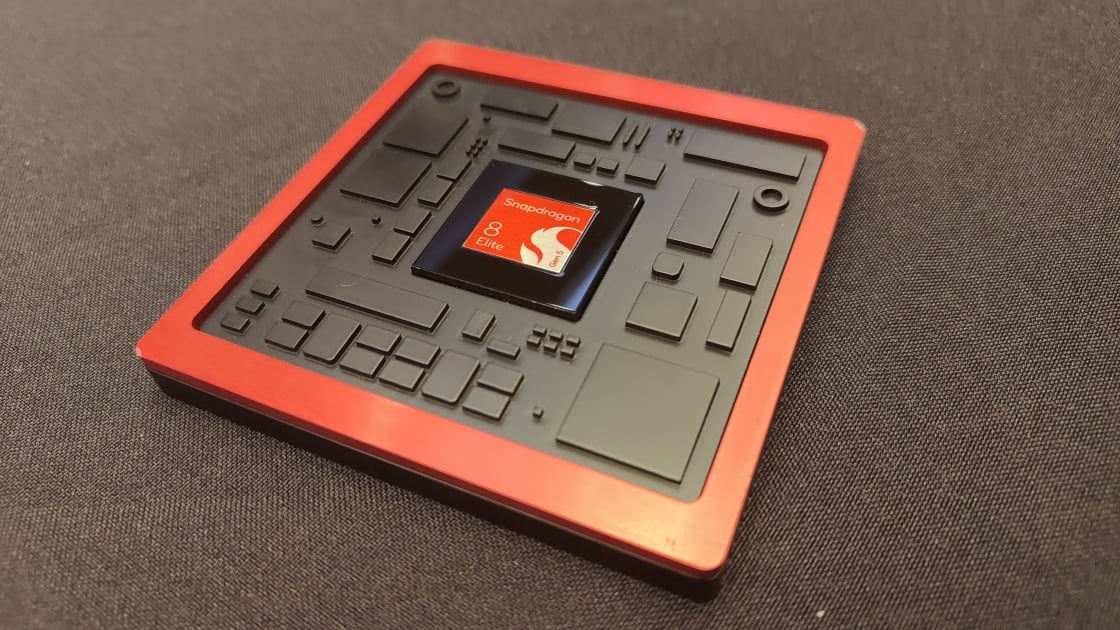 Image: pcmag.com
On the AI front, the Hexagon NPU is 37% faster with better performance per watt, enabling on-device agentic AI that learns user habits while preserving privacy. The X85 modem supports blistering 12.5Gbps download speeds, while the triple 20-bit Spectra ISP introduces Advanced Professional Video (APV) codec for cinema-grade recording. Wi-Fi 7, Bluetooth 6.0, and advanced ray tracing support round out the package.
Compared to its predecessor, Qualcomm claims 35% better CPU efficiency, 20% GPU efficiency gains, 16% overall SoC power savings, and 25% better ray tracing. These are impressive on-paper leaps that position it ahead of most Android competitors and even challenge Apple's latest in CPU tasks.
Benchmark Domination vs. Real-World Performance
In synthetic benchmarks, the Snapdragon 8 Elite Gen 5 is a monster. AnTuTu scores routinely exceed 4 million, with Geekbench 6 results around 3718 single-core and 11,810 multi-core. Gaming benchmarks show near-perfect scores, making it ideal for demanding titles running at high frame rates with ray tracing enabled. Devices like the Red Magic gaming phones push these numbers even higher thanks to active cooling.
 Image: qualcomm.com
However, the story changes under sustained loads. Multiple reviews of the OnePlus 15, Realme GT series, and even some Galaxy S26 units report significant thermal throttling. Phones can hit internal temperatures of 55°C or higher during stress tests, leading to performance drops of 30-40% or even emergency shutdowns. This isn't just anecdotal—independent tests confirm that without excellent vapor chamber cooling or active fans, the chip struggles to maintain peak clocks.
- Pros: Class-leading peak CPU and GPU performance; excellent for short bursts and multitasking; future-proof for AI workloads.
- Cons: Thermal issues impact sustained gaming and video editing; incremental GPU architecture improvements; varies heavily by OEM implementation.
AI, Efficiency, and Everyday Experience
Where the Snapdragon 8 Elite Gen 5 shines brightest is in AI capabilities. The enhanced NPU powers proactive assistants, personalized knowledge graphs, and faster on-device inference—up to 30% quicker than before. Features like Personal Scribe and advanced photo/video processing feel genuinely useful rather than gimmicky. Battery life scores well in mixed use (NanoReview gives it 93/100), with the claimed 16% SoC efficiency gains translating to longer sessions in optimized devices like the Honor Magic series.
Camera performance benefits from the new ISP, delivering better dynamic range and professional-grade video codecs that appeal to content creators. Connectivity is rock-solid with AI-optimized 5G that maintains strong signals even in challenging conditions. In daily use—app launching, browsing, social media—the chip feels exceptionally snappy and responsive.
Yet efficiency isn't universally improved. The lack of efficiency cores means background tasks can drain battery faster than expected in poorly optimized phones. Users upgrading from last year's 8 Elite may notice only marginal gains in regular use, making it less compelling as an immediate upgrade.
Gaming, Gaming Features, and Value Proposition
Gaming enthusiasts get Snapdragon Elite Gaming features including Unreal Engine 5 support, mesh shading, and up to 50% lower latency with AI Wi-Fi optimizations. Console-quality visuals are achievable, but only if the phone's thermal system can keep up. Gaming phones with active cooling fare best, while slim flagships often force frame rate caps to manage heat.
Pricing-wise, phones using this chip start at premium levels ($800+), raising value questions. For power users and gamers who prioritize raw performance and can accept some heat, it's worth it. For average users, mid-range chips from last year or MediaTek alternatives might offer better balanced experiences. The "for Galaxy" variant in Samsung devices shows manufacturer tuning can mitigate some issues through software optimization.
Final Verdict: A Top-Tier Chip Held Back by Heat
The Snapdragon 8 Elite Gen 5 represents Qualcomm at its best—pushing mobile performance boundaries with industry-leading CPU speeds, cutting-edge AI, and pro-level multimedia capabilities. It sets new benchmarks and enables experiences that were impossible just a couple years ago. However, the persistent thermal challenges in many implementations prevent it from earning a perfect score. Sustained performance is too dependent on phone design, making it a lottery based on which device you choose.
If you're buying a well-cooled flagship like certain gaming phones or the Galaxy S26 Ultra, you'll love the speed and features. For everyone else, wait for better-optimized devices or consider your actual needs. It's an evolutionary step that's impressive but not revolutionary for all users.
Overall, this is still the best Android mobile platform available in early 2026, but Qualcomm needs to address thermals more aggressively in future iterations.