 Image: spaceq.ca
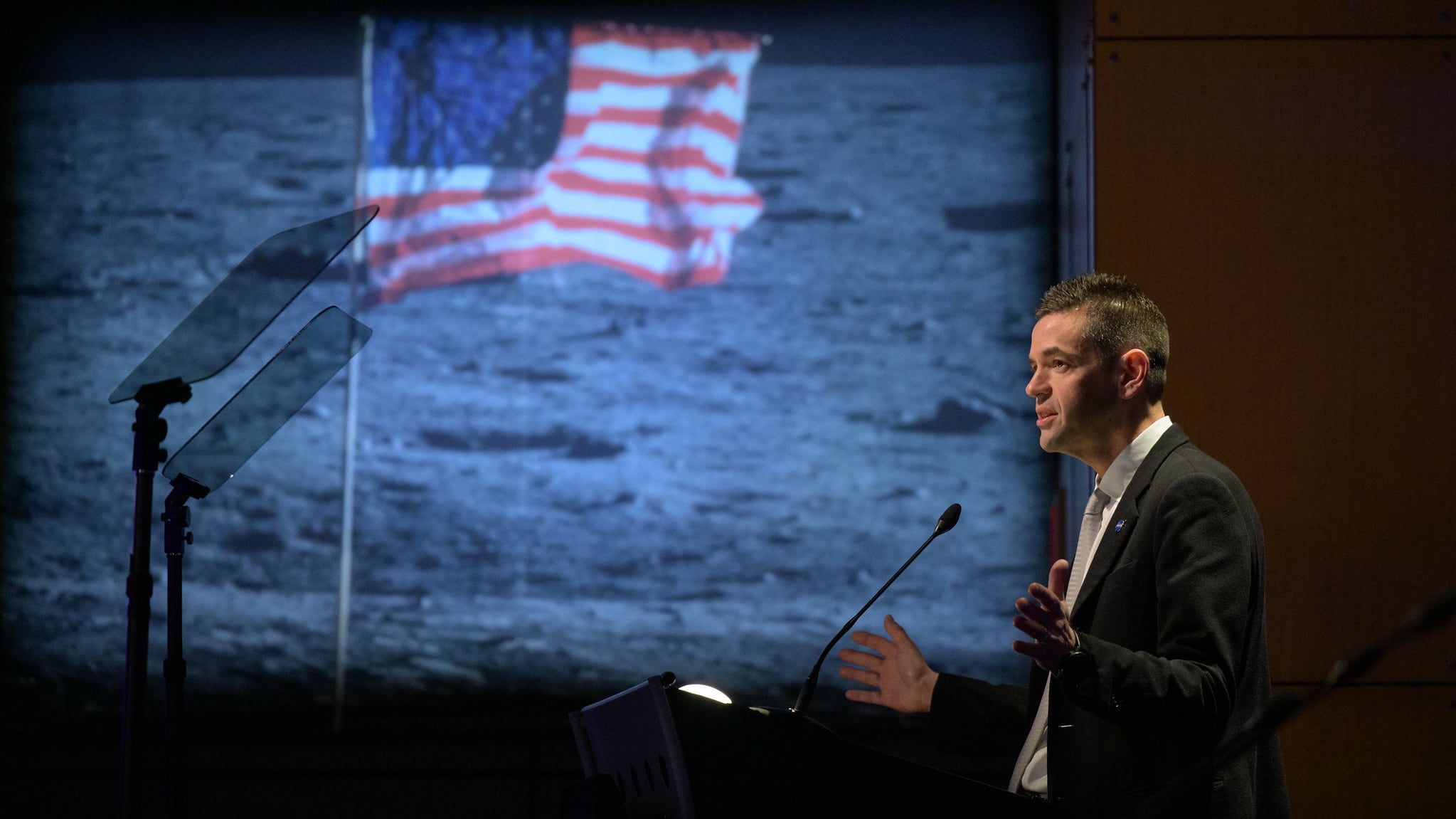
As space enthusiasts and industry watchers tuned in on March 24, 2026, NASA lit the fuse on what it calls "Ignition" – a comprehensive event outlining an ambitious roadmap to reclaim U.S. leadership in lunar exploration and beyond. Under the leadership of NASA Administrator Jared Isaacman, the agency detailed concrete steps to fulfill President Trump's National Space Policy and a December 2025 Executive Order focused on American space superiority.
The day-long sessions at NASA Headquarters in Washington featured high-level panels on returning to the Moon, building a permanent base, advancing science, and more. Far from another round of vague promises, Ignition delivered specific procurements, requests for information (RFIs), and timeline commitments that signal a faster, more iterative, and commercially driven approach to space exploration.
What is NASA Ignition and Why Does It Matter?
Ignition represents the "start of a transformative journey" for NASA, according to Administrator Isaacman. The event fulfills commitments made during agency roadshows earlier in the year, aiming to cut bureaucracy, empower the workforce, and focus on execution rather than endless planning. It aligns directly with national policy emphasizing rapid lunar capability expansion, increased mission cadence, commercial partnerships, and resilient cislunar infrastructure.
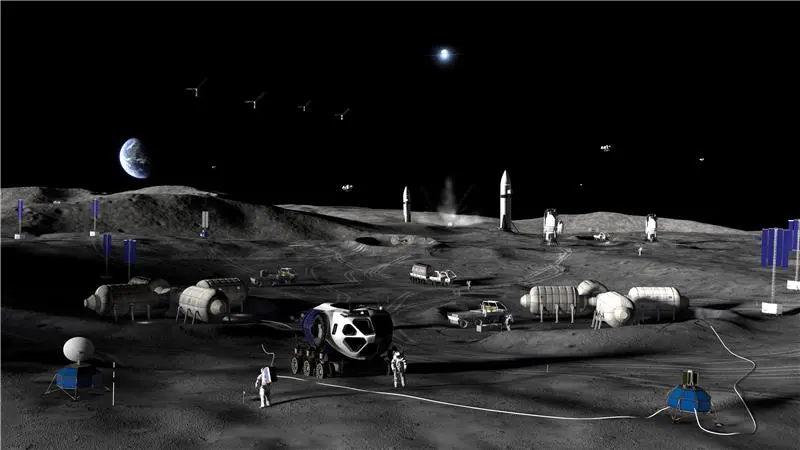 Image: lynnwoodtimes.com
In practical terms, this means shifting resources away from some legacy programs toward surface-focused lunar infrastructure. The name "Ignition" evokes the moment when ideas turn into missions – a rallying cry for NASA employees and industry partners alike to believe in ambitious goals again. For the broader space community, it offers new opportunities through RFIs and contracts that could reshape how private companies engage with lunar development.
Key to the event were multiple new initiatives under the Commercial Lunar Payload Services (CLPS) program and beyond, with a clear target of achieving a permanent U.S. lunar presence by 2030. This builds on Artemis but accelerates timelines significantly, with crewed lunar landings eyed as early as 2028.
Accelerating the Return to the Moon: Artemis Updates and New Procurements
NASA is pushing hard on Artemis missions while introducing evolutionary steps reminiscent of the Mercury-Gemini-Apollo progression. Artemis II (crewed lunar flyby) and Artemis III (Earth-orbit testing of Orion and landers) are slated for the coming year, with lunar surface landings beginning via Artemis IV in 2028.
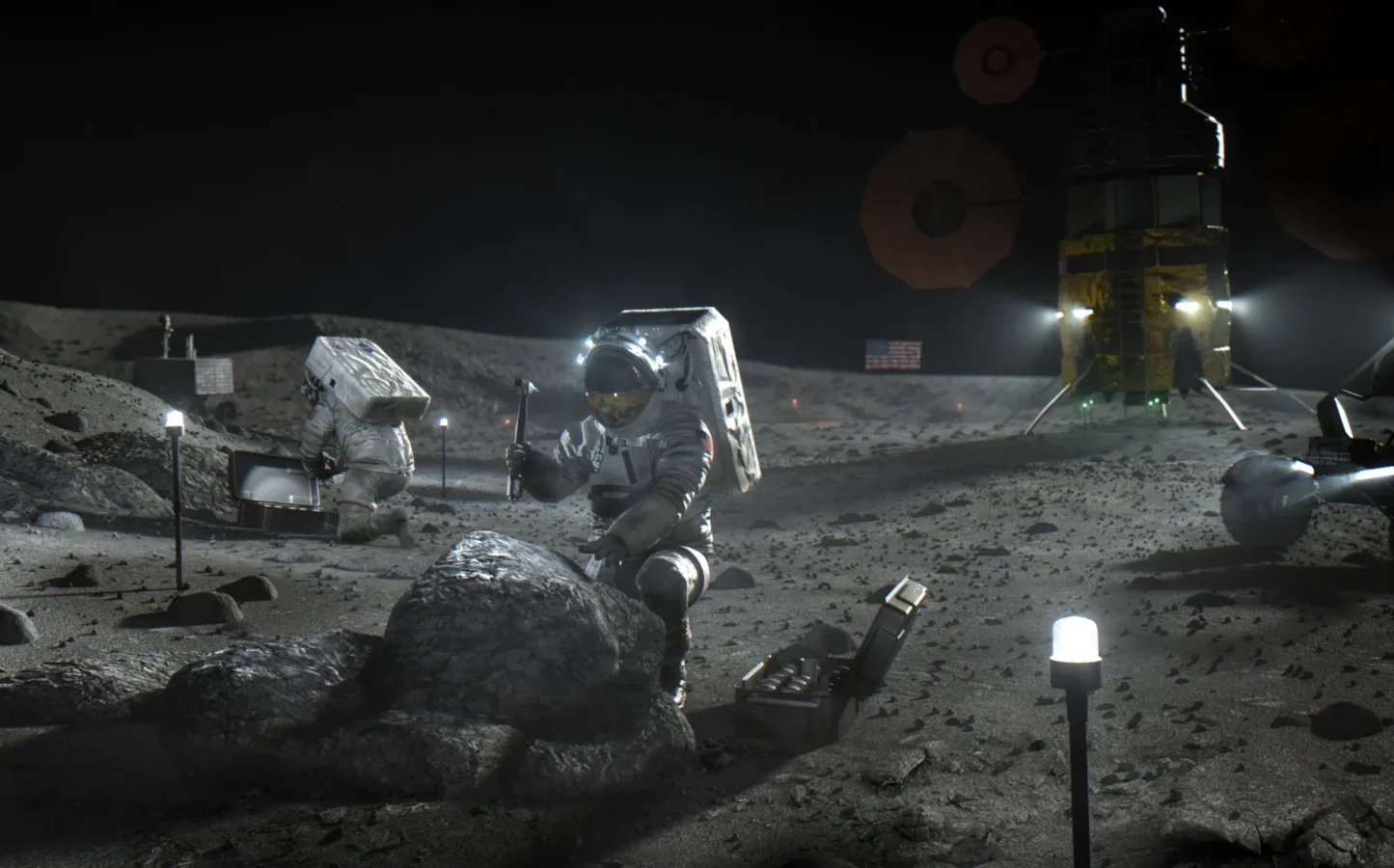 Image: aerospaceamerica.aiaa.org
Among the headline announcements is the launch of CLPS 2.0 – a competitive follow-on procurement with a 10-year ordering period, 15-year execution timeline, and a $6 billion cap. This enhanced program offers greater flexibility for "turn-key" delivery services or integration of hardware into NASA missions.
- RFI for commercial human lunar transportation services to support a permanent lunar base, focusing on high-tempo operations, logistics, crew rotation, and interoperability with human landing systems.
- Revised Lunar Terrain Vehicle Services (LTVS) contract approach to acquire multiple crewed and uncrewed rovers by 2028, with specific traverse requirements and autonomy features.
- CX-2 and CS-8 task orders under CLPS 1.0 for delivering a Lunar Terrain Vehicle to the South Pole by 2028 and multiple payload deliveries supporting Moon base capabilities through FY 2029.
These moves emphasize proven heritage landers, incentives for surviving the lunar night, and rapid technology demonstrations within 2-4 years. Industry stakeholders should pay close attention to the various RFIs, which cover everything from lunar surface tech to science payloads open to diverse participants (excluding China ties).
Building a Permanent Lunar Outpost: Pivoting from Gateway to Surface Focus
One of the most notable shifts announced during Ignition is the effective pause of the Gateway program in its current form. Resources and talent are being redirected to prioritize lunar surface infrastructure for an enduring human presence.
The vision unfolds in phases: initial experimental landings and rover operations aiming for near-monthly cadence, followed by habitable infrastructure, and eventually systems enabling near-continuous crewed presence. Phase One alone represents a roughly $10 billion effort across dozens of missions using CLPS, LTV, and expanded cargo capabilities.
Administrator Isaacman emphasized learning from past delays, noting that overly complex, non-iterative programs have led to waste. The Moon will serve as a proving ground for Mars technologies, with lunar missions testing power systems (including radioisotope devices), mobility, communications, and in-situ resource utilization.
For those in the space industry, this creates immediate opportunities. The LTVS revisions include uncrewed rovers with basic autonomy and one-year operational life, while crewed versions must support 900 km traverses. Early contractors like Astrolab, Intuitive Machines, and Lunar Outpost have an inside track, but future on-ramps are planned.
Science Breakthroughs, Nuclear Propulsion, and Sustaining Low Earth Orbit
Ignition wasn't solely about the Moon. Panels highlighted a "Golden Age of Science and Discovery" with updates on flagship missions including the Nancy Grace Roman Space Telescope, Dragonfly to Titan, Habitable Worlds Observatory, and others. A new "Science as a Service" initiative aims to leverage commercial capabilities for faster technology maturation in Earth science, heliophysics, and astrophysics.
On the nuclear front, NASA is restarting efforts with SR-1 Freedom – a 25-kW nuclear electric propulsion demonstration launching in 2028 alongside a Mars payload featuring Ingenuity-class helicopters. This follows acknowledgment of past challenges with nuclear programs and positions nuclear tech as critical for both lunar economy and deep space exploration.
In low Earth orbit (LEO), NASA plans a phased transition from the International Space Station, signaling long-term demand for commercial crew and cargo services. This includes potential astronaut seat purchases and maturing an orbital economy without gaps in U.S. presence. Multiple launch providers will be engaged, ensuring redundancy and competition.
Workforce Reforms and the Road Ahead: Practical Implications
Recognizing that ambitious goals require the right people, Ignition outlined significant workforce changes. NASA aims to convert thousands of contractors to civil servants, onboard over 2,000 interns annually, and issue more than $1 billion in yearly grants. The goal is to reduce reliance on the contractor-heavy model (currently around 75%) and rebuild core competencies through industry exchanges and early-career opportunities.
For aspiring space professionals, this means more entry points into NASA and partner companies. Tips include monitoring the various RFIs on SAM.gov, attending future Ignition-related industry days, and developing technologies aligned with lunar surface challenges like radiation hardening, high-thrust engines, and autonomous rovers.
Public engagement remains key, with plans for sharing real-time progress via an updated NASA website and international collaboration through orbiting relays.
In conclusion, NASA's Ignition event has set a clear trajectory: faster, more pragmatic lunar exploration centered on commercial innovation and sustained human presence. By 2030, the U.S. aims to have a continuously crewed outpost on the Moon – a hub for science, technology demonstration, and preparation for eventual Mars missions. While challenges remain, the detailed procurements, revised contracts, and renewed urgency suggest this time the spark of Ignition could lead to lasting flames of achievement in space exploration. The coming months will reveal how industry responds to these opportunities, but one thing is certain: the era of bold, iterative lunar development has officially begun.