 Image: energynow.com
Imagine hailing a sleek, pedal-free pod that whisks you across the city for pennies per mile—no driver, no drama, just pure autonomy. That's the promise of Tesla's Cybercab, and as of February 2026, it's no longer just a vision. On February 17, Tesla and CEO Elon Musk announced the first Cybercab off the production line at Giga Texas, a pivotal step toward launching the world's largest robotaxi fleet. With mass production targeting April and hundreds of units weekly soon after, the EV giant is accelerating into a future where personal car ownership might take a backseat to on-demand autonomy.
From 2024 Unveil to 2026 Production Reality
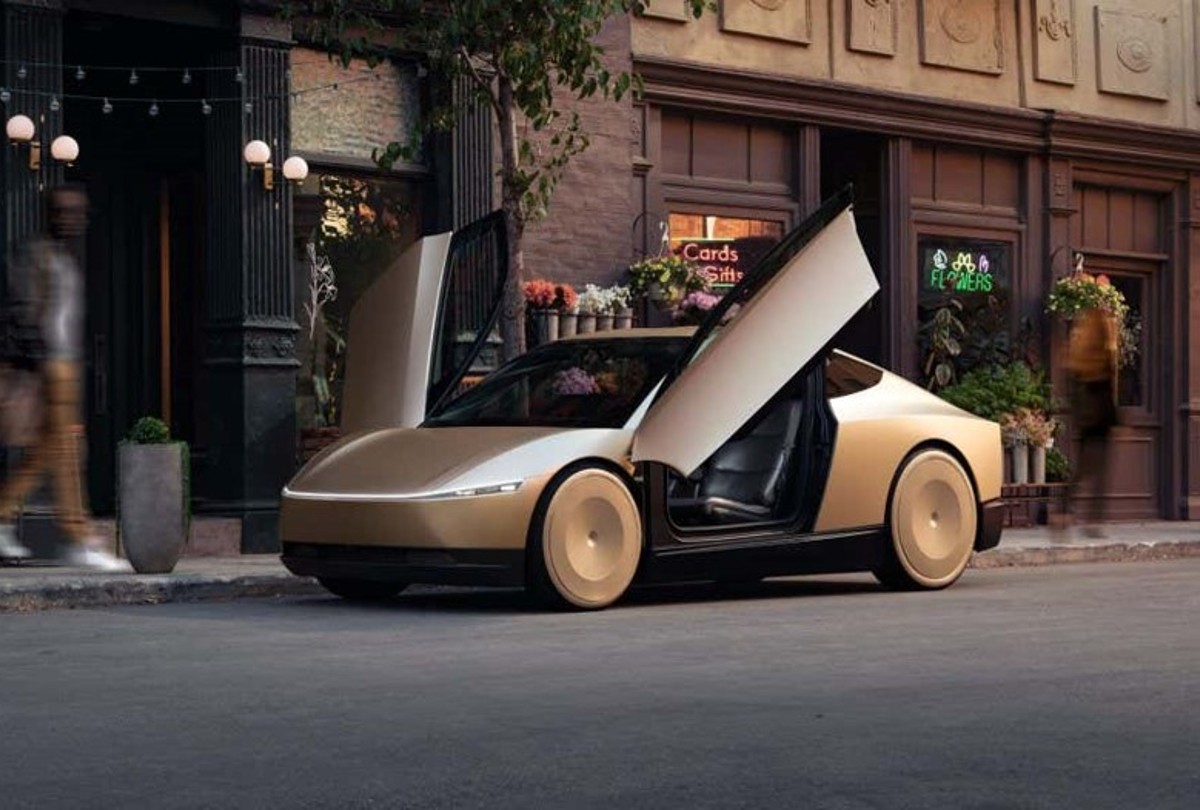
Tesla first teased the Cybercab at its 'We, Robot' event in October 2024, unveiling a futuristic two-seater sedan designed exclusively for autonomy—no steering wheel, no pedals, just butterfly doors and inductive charging pads. Elon Musk promised a price under $30,000, with production ramping before 2027, and operating costs below $0.20 per mile thanks to superior efficiency of around 5 miles per kWh. Fast-forward to early 2026: prototypes underwent rigorous winter testing in Alaska, and by February, the inaugural production unit emerged, celebrated across X with photos of the gleaming silver vehicle.
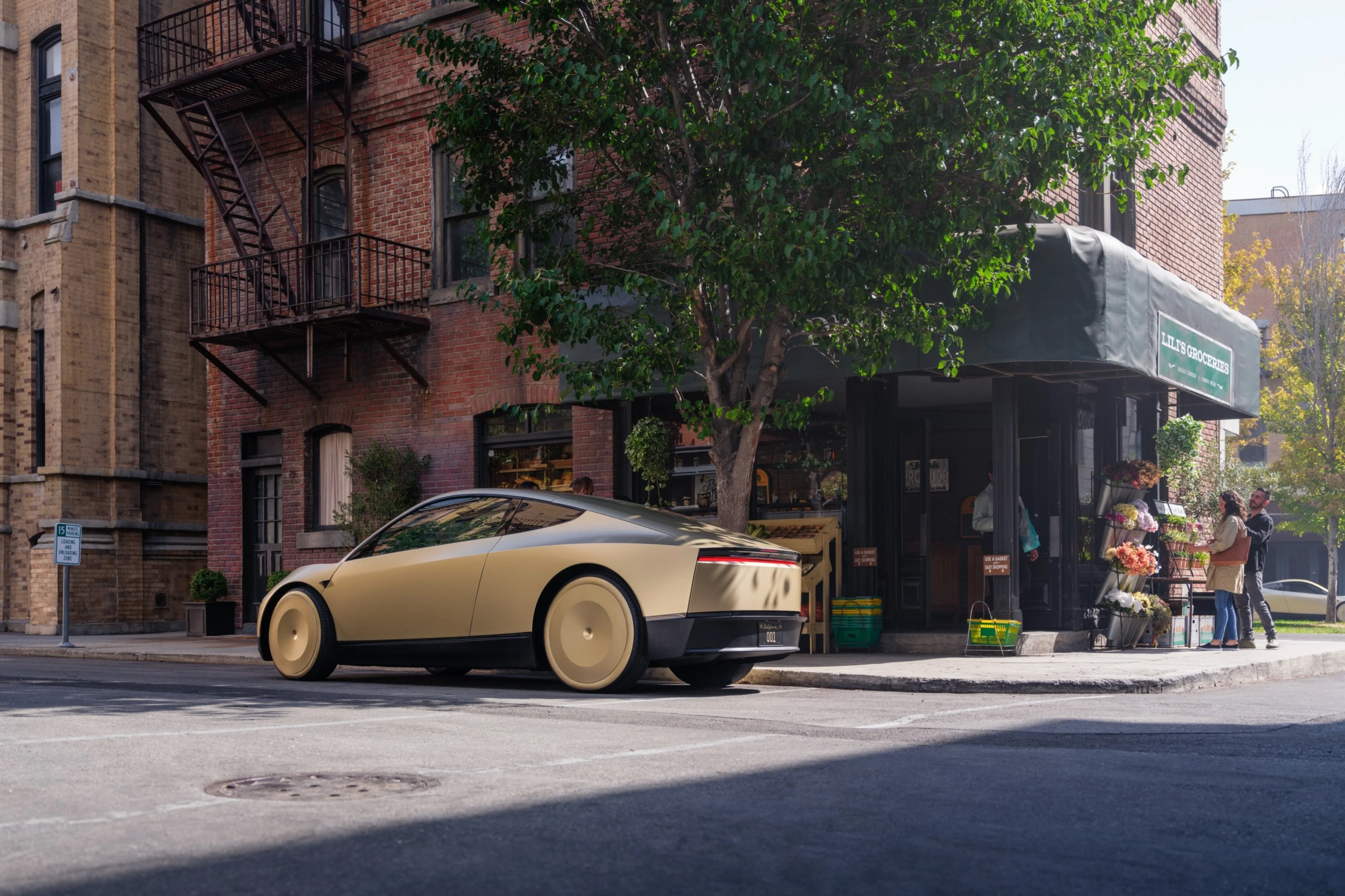 Image: teslahubs.com
Musk has repeatedly reaffirmed the timeline, stating in recent posts that production starts in April, albeit with an 'S-curve' ramp-up due to novel manufacturing. Recent sightings of prototypes at Giga Texas and popup events in Austin as of March 2026 show the fleet growing, with engineering tweaks like temporary steering wheels for validation testing.
Giga Texas: The Heart of Cybercab Manufacturing
Gigafactory Texas in Austin is ground zero for Cybercab, where Tesla is installing specialized equipment and hiring teams for tooling and injection molding. The production line aims for hundreds of vehicles weekly once fully ramped, leveraging Tesla's revolutionary 'unboxed' process—one Cybercab every 5-10 seconds, a massive leap from Model Y's 34-second cycle. Musk warns early output will be 'agonizingly slow' given the all-new platform, but scaling could hit millions annually.
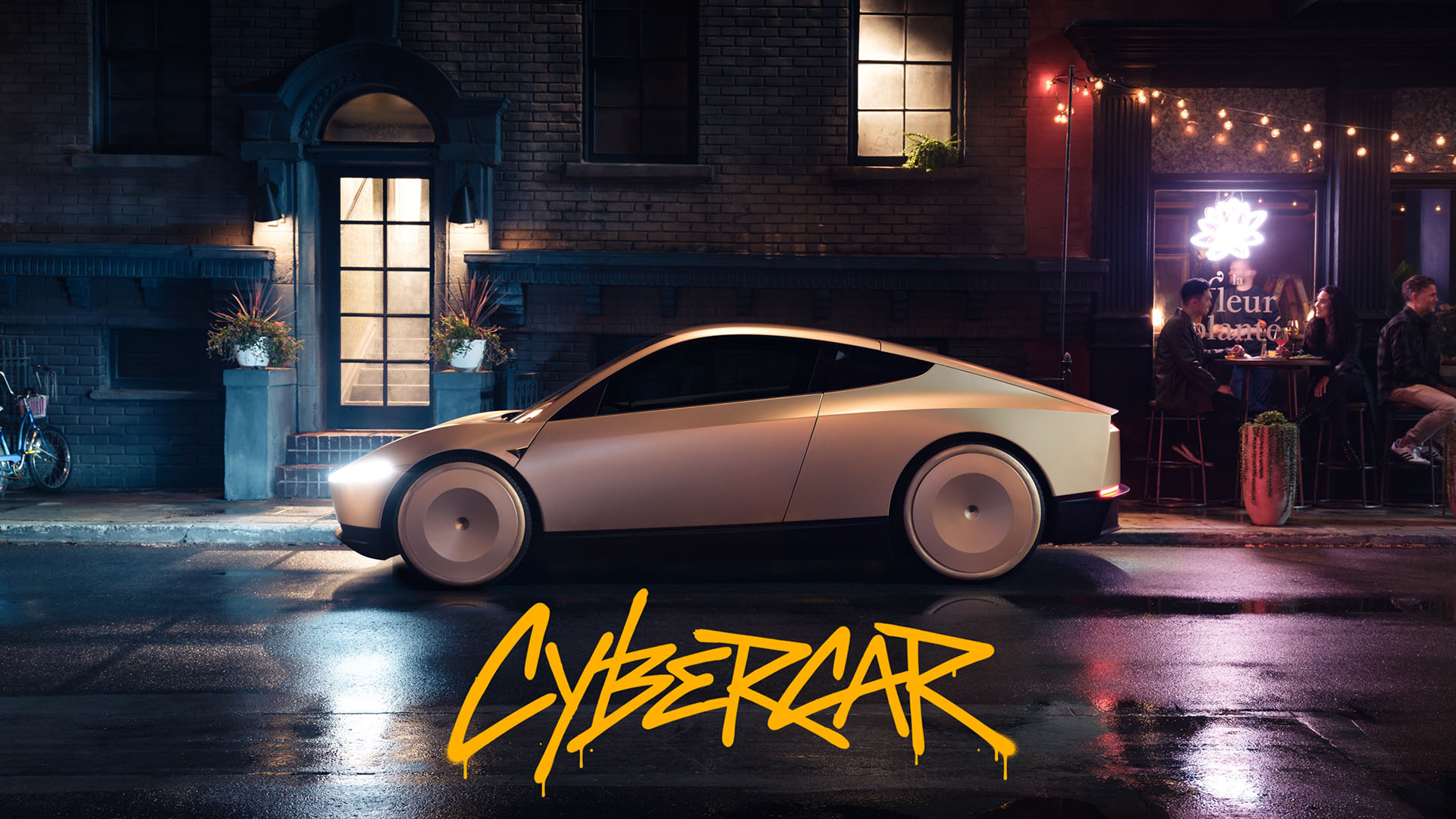 Image: teslaoracle.com
- Pilot Phase: First unit in Feb 2026; validation fleets spotted expanding.
- Mass Production: April 2026 target, with AI5/HW5 hardware integration planned.
- Capacity Goal: Hundreds/week initially, optimizing for robotaxi fleets and consumer sales.
Cutting-Edge Specs Powering Autonomy
The Cybercab packs impressive tech: a compact ~35-50 kWh battery for 200-300 miles of range, wireless inductive charging at over 90% efficiency, and Full Self-Driving (FSD) Supervised evolving to unsupervised operation. No mirrors reduce drag, while gold-hued doors and minimalist interiors prioritize safety and comfort for two passengers. Musk emphasizes: 'This car either drives itself or it does not.'
Practical perks include ultra-low costs—projected at $0.20/mile vs. $1+ for rideshares—and seamless integration with Tesla's Robotaxi app for hailing rides or adding your vehicle to the network for passive income.
Navigating Hurdles: Regulations, Safety, and Skeptics
Not all smooth sailing—fund managers predict delays to late 2026 over safety and regs, echoing past FSD scrutiny. Yet Tesla pushes forward, filing trademarks like 'Cybercar' and testing extensively. Musk dismissed doubters, including a bet with MKBHD, confirming sub-$30k consumer sales by 2027.
Tips for Early Adopters:
- Update to latest FSD software for Robotaxi readiness.
- Monitor Tesla app for fleet invite pilots in Texas/California.
- Consider ownership: Buy to earn via network (20-30% margins projected).
- Safety first—expect geo-fenced launches in select cities.
The Road Ahead: Reshaping Mobility
As Cybercab fleets deploy, expect transformative impacts: slashed commute costs, reduced traffic via optimized routing, and a shift from ownership to access. With Giga Texas humming and April on horizon, 2026 could be the year autonomy goes mainstream. Tesla's gamble on vision-only AI and unboxed production might just redefine transportation—or join the pile of ambitious timelines. Stay tuned; the robotaxi era revs up now.